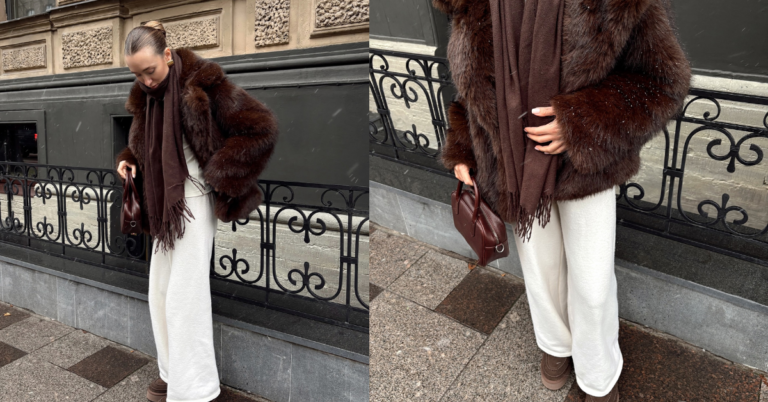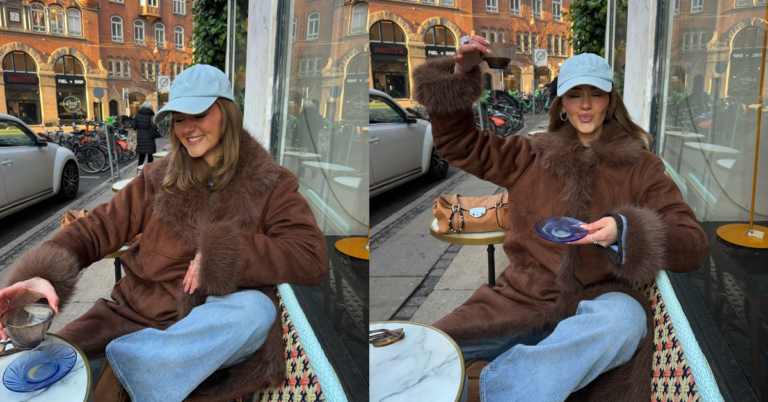

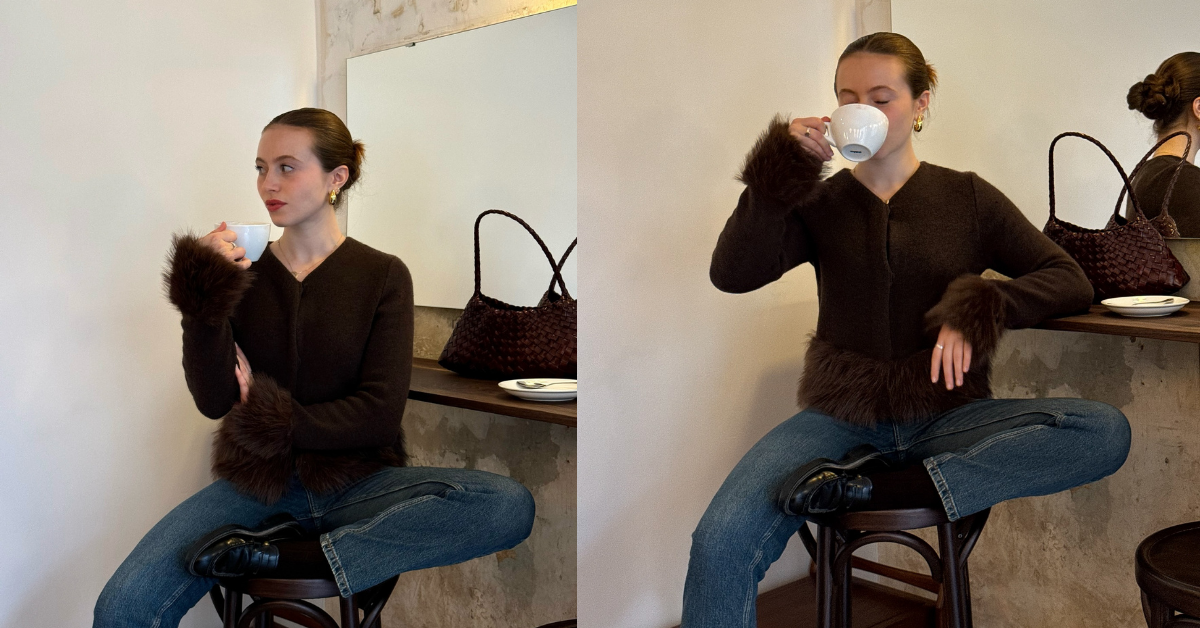
Between-seasons weather is annoying for one specific reason: it forces you to solve three different temperatures in one outfit.
Cold morning. Warm-ish midday. Windy, damp evening. You leave the house thinking you nailed it, then you’re sweaty on the train, freezing in the shade, and regretting your shoes the second it starts raining sideways.
So here’s the shift that makes this easy: stop dressing for the temperature. Dress for the range plus wind and rain.
That’s it. When you plan for the range, you stop panic-changing outfits and start using simple layers like tools. You end up with outfits that look intentional, not like you grabbed random emergency clothing.
This guide gives you a practical framework (not fashion rules), a “grab-and-go” layering formula, and outfit variations you can copy for real life.
Quick answer for skimmers
- Dress for the day’s low-to-high range, not the current temp.
- Use a 3-layer system: breathable base + adjustable mid layer + weather layer.
- Choose an outer layer with a job: wind, rain, warmth, or polish. One main job.
- Your secret weapon is a light mid layer you can remove easily (cardigan, overshirt, thin sweater).
- If it’s windy, trust the “feels like” temp. Wind can make it feel much colder.
- Keep shoes season-flexible: closed toe, walkable, okay with a surprise puddle.
- Build 2-3 “default formulas” you can repeat (casual, polished, sporty).
- Optional but powerful: keep a car kit (umbrella, extra socks, thin scarf).
If you only do one thing:
Pick one reliable outfit base (top + bottom) and change only the layers based on wind/rain. Your base stays the same, your comfort adjusts.
The decision framework that actually works
Before you choose clothes, answer these four questions in 30 seconds:
1) What’s the low-to-high range?
A 10°C range is a layering day. A 15°C+ range is a “you’ll need removables” day.
2) Is it windy?
Wind increases heat loss from exposed skin and can make it feel significantly colder than the air temperature.
If it’s windy, plan one extra barrier layer.
3) Is it wet (or likely to be wet)?
If there’s meaningful rain chance, prioritize a weather layer and shoes that won’t ruin your mood.
4) How much time are you actually outside?
- Mostly indoors/commuting: you need easy-on, easy-off layers.
- Outside for long stretches: you need a real weather layer, not a “cute” one.
Then use this simple rule:
If you want to stay comfortable, build: Base + Mid + Weather + Shoe.
And keep your “style” in one place: the coat shape, the shoe, or the bag.
One honest limitation: This system won’t feel great if you hate carrying anything (tote, crossbody, backpack). Between seasons often means you’ll take something off. If you refuse to carry layers, you’ll occasionally be too hot or too cold. That’s the trade.
The core principle: 3 layers, one of them removable
Outdoor brands have been teaching this for years because it works: base layer for moisture management, mid layer for insulation, outer layer for wind and rain.
You can apply the same logic to everyday outfits without looking like you’re hiking.
Layer 1: The base (next-to-skin)
Goal: keep you comfortable if you warm up.
What works:
- Cotton tee if you run neutral and stay indoors most of the day
- Lightweight merino or synthetic if you sweat easily or walk a lot (these wick moisture better).
- Ribbed tank or fitted long sleeve if you want a smooth layer under everything
Avoid (most days):
- Anything itchy, clingy in the wrong way, or see-through. You’ll spend your day adjusting it.
Layer 2: The mid layer (the adjuster)
This is the layer you take off at 11:30 and put back on at 16:00.
Good mid layers:
- Cardigan (soft, easy)
- Overshirt (looks intentional, acts like a light jacket)
- Thin sweater or knit
- Lightweight fleece or sweatshirt (sporty lane)
If you only own one mid layer, make it a button-up overshirt. It can be open, closed, tied, or thrown over your shoulders and it still looks like a choice.
Layer 3: The weather layer (wind and rain insurance)
This is where most people go wrong. They pick a coat that looks nice but does nothing.
Pick your outer layer based on the day’s job:
- Windy: trench, coat with tighter weave, windbreaker-style jacket
- Wet: raincoat or water-resistant shell with a hood
- Cold morning, mild afternoon: light puffer or insulated vest
- Polished: structured coat, blazer under trench, wool top layer
The boring truth: wind matters more than you think. Even official weather guidance emphasizes wind chill as a “feels like” factor because moving air strips heat faster.
The “between seasons uniform” formula
If you want a default you can repeat, use this:
Base top + Straight or wide-leg bottom + Mid layer + Weather layer + Closed-toe shoe
And then you swap only one thing based on the day.
Swap rules (steal these)
- If you’re cold in the morning but hot by lunch: thin base + thicker mid (because you can remove the mid).
- If it’s windy: add a wind-blocking outer layer even if it’s not that cold.
- If it might rain: choose the weather layer first, then build the outfit under it.
- If you’ll be indoors all day: prioritize a mid layer you can take off without messing up your hair/makeup (no tight pullovers unless you love them).
My slightly opinionated take: I’d rather you repeat one good between-seasons uniform all month than freestyle every day and feel uncomfortable half the time. Consistency reads as style.
The pieces that do the most work (a realistic mini-capsule)
You don’t need a full capsule wardrobe. You need a small set of “range-friendly” pieces.
1) Outer layers that earn their closet space
- Trench or light coat (wind + polish)
- Rain layer with hood (wet + practical)
- Light puffer or insulated vest (cold mornings without full winter bulk)
2) Mid layers that layer well
- Cardigan or knit jacket
- Overshirt (denim, cotton twill, or lighter wool)
- Thin sweater (not chunky)
3) Base tops that don’t trap you
- Tee you love
- Long sleeve that layers easily
- Optional: a wicking base if you run hot or walk a lot.
4) Bottoms that work with multiple shoes
- Straight jeans or relaxed jeans
- Wide-leg trousers or ponte
- Midi skirt with tights (more flexible than people think)
5) Shoes that survive surprises
- Clean sneaker (walkable, easy)
- Loafer or ankle boot (polished option)
- If rain is common: a “bad weather” shoe you don’t baby
Trade-off with no perfect solution: suede looks amazing in transitional seasons and is also a magnet for regret in unpredictable rain. You either baby it or you don’t. There is no magical third option.
Practical styling: how to not look bulky while layering
The fear with layers is “I’ll look puffy.” You won’t if you follow two simple guidelines:
1) Keep one layer close to the body
If your outer layer is oversized, make the base more fitted.
If your pants are wide-leg, keep the top cleaner.
This is just visual balance, not a rule you must obey.
2) Put bulk on the outside, not the inside
A slimmer base plus a mid layer plus a structured coat looks cleaner than a chunky sweater under a tight jacket.
Outdoor layering advice also prioritizes breathability and smart insulation placement, because overheating inside layers is what makes you miserable.
Real-life outfit formulas you can copy
1) The “cold morning, warm afternoon” commuter
- Base: tee or lightweight long sleeve
- Mid: cardigan or overshirt
- Weather: trench or light coat
- Bottom: straight jeans or trousers
- Shoe: sneaker or loafer
Why it works: you can remove the mid layer indoors, and the trench handles wind.
2) The “windy but not cold” day
- Base: long sleeve or tee
- Mid: optional (thin)
- Weather: wind-blocking jacket or trench
- Bottom: any
- Shoe: closed toe
Wind chill exists because wind accelerates heat loss from skin. Even moderate wind can change comfort fast.
3) The “it might rain” day
- Base: whatever
- Mid: something quick-dry (not a heavy, delicate knit)
- Weather: rain layer with hood
- Bottom: darker jeans/trousers (hides splashes)
- Shoe: water-resistant or easily wiped
4) The “I want to look put-together” version
- Base: knit top
- Mid: blazer or fine cardigan
- Weather: trench or structured coat
- Bottom: trousers or dark jeans
- Shoe: loafer or sleek sneaker
- Finisher: one intentional accessory (bag or earrings)
5) The sporty lane
- Base: tee
- Mid: hoodie or light fleece
- Weather: windbreaker or rain shell
- Bottom: jeans or joggers
- Shoe: sneaker
This is not “giving up.” This is dressing for reality.
Mistakes people make between seasons (and the fixes)
Mistake 1: Dressing for the morning only
Fix: plan for the range. If you’ll be outside at multiple times, you need a removable mid layer.
Mistake 2: Ignoring wind
Fix: if it’s windy, use a wind-blocking outer layer. “Feels like” temperatures matter on windy days.
Mistake 3: Wearing the wrong socks
Fix: keep one “transitional sock” option (crew socks that work with sneakers and loafers). Cold ankles ruin your mood faster than you’d expect.
Mistake 4: Choosing a coat that can’t do anything
Fix: pick outerwear by job: wind, rain, warmth, polish.
Mistake 5: Over-layering with fussy pieces
Fix: keep layers easy to take on/off. If it’s annoying, you won’t do it.
Optional but life-changing: the “mini emergency kit”
This is optional. Skip it if you never carry a bag.
If you do carry a bag, keep:
- a small umbrella
- a thin scarf (warmth + wind barrier)
- a spare pair of socks (seriously)
- a band-aid (new-season shoe rub is real)
This one small habit makes “weather can’t decide” days feel a lot less dramatic.
FAQ
How do I dress when it’s 8°C in the morning and 18°C later?
Wear a breathable base, add a removable mid layer, and choose an outer layer that blocks wind. Remove the mid layer when you warm up.
What’s the difference between temperature and “feels like”?
“Feels like” factors in things like wind that change how your body loses heat. Wind chill is specifically about faster heat loss due to wind.
I overheat easily. How do I layer without getting sweaty?
Prioritize a breathable base (merino or synthetic can help with wicking), and keep your mid layer easy to remove.
What outerwear is best for transitional seasons?
A trench or light coat for wind and polish, plus a rain layer for wet days. If mornings are genuinely cold, add a light puffer or insulated vest.
How do I dress between seasons without buying new stuff?
Start with the pieces you already repeat (jeans, tees), then add one mid layer you can remove and one outer layer that solves your most common problem (wind or rain).
What shoes are best when the weather is unpredictable?
Closed-toe shoes you can walk in and that won’t be ruined by a surprise puddle. Sneakers and ankle boots are the easiest defaults.
If I’m dressing kids too, any safety tips for cold mornings?
If you use a car seat, bulky coats under harness straps are not recommended because they can create slack. The American Academy of Pediatrics advises against bulky winter coats and snowsuits under the harness.
A practical workaround is buckling them in, then putting a coat or blanket over the straps.
What if I still feel “blah” even when I’m comfortable?
Sometimes it’s not the outfit. Between seasons can feel gray and repetitive. If you want a quick mood lift, change one visible thing: shoe, earrings, or lipstick. Keep the layers practical.
Just a little note - some of the links on here may be affiliate links, which means I might earn a small commission if you decide to shop through them (at no extra cost to you!). I only post content which I'm truly enthusiastic about and would suggest to others.
And as you know, I seriously love seeing your takes on the looks and ideas on here - that means the world to me! If you recreate something, please share it here in the comments or feel free to send me a pic. I'm always excited to meet y'all! ✨🤍
Xoxo Lara