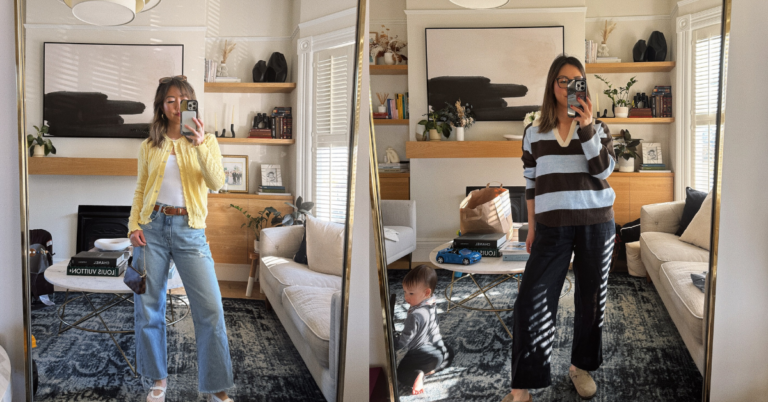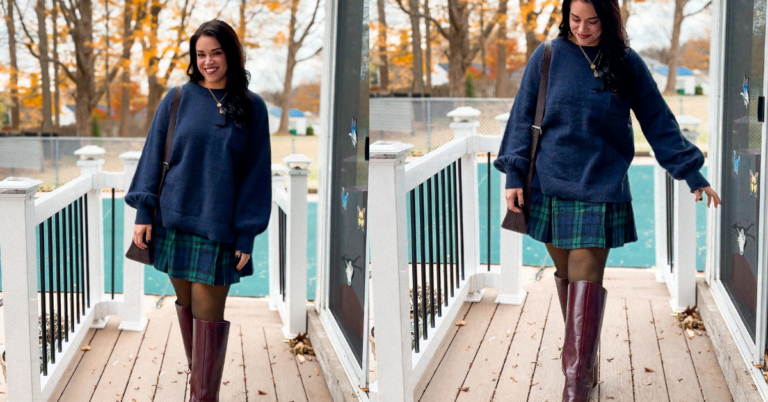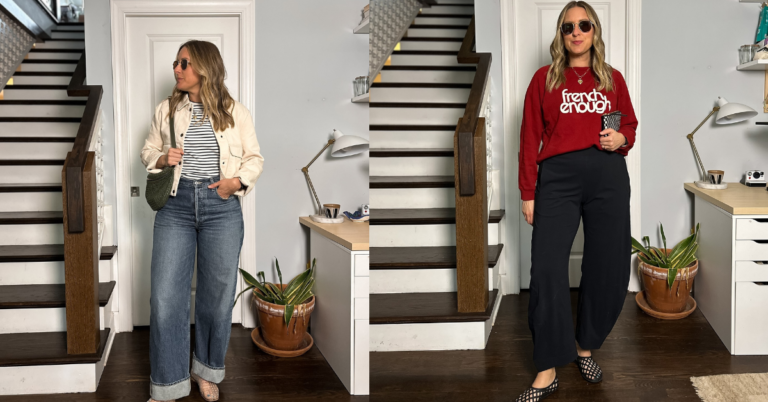

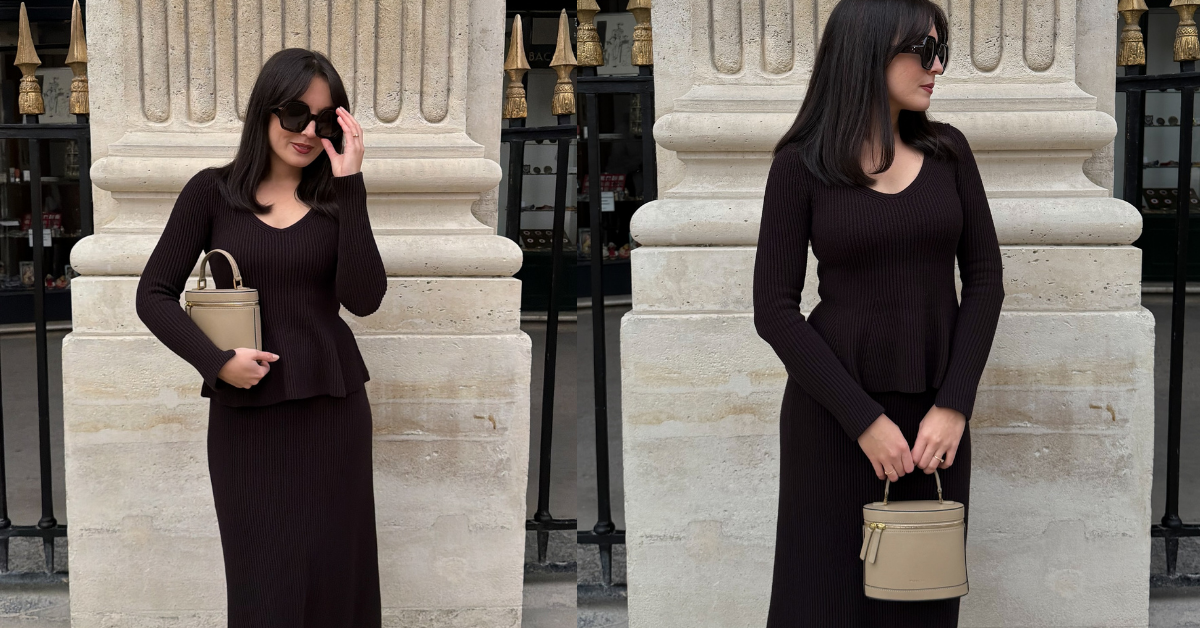
So, let’s talk about style in your forties. I know what you might be thinking. “Anne, you are literally twenty-five, why are you writing a guide for women over forty?” And that is a totally fair question! But here is the thing. I spend almost every single day styling women, talking about fashion, and observing the most incredible women in my community. The women I look up to the most – my aunties, my older cousins, my mentors – they are all in their forties and fifties. They are in their absolute power era.
But I also notice something really common. A lot of women hit forty and suddenly feel completely lost in their closets. The fashion industry does this really annoying thing where it basically only markets to teenagers or women in their twenties, and then expects everyone else to just figure it out. It makes so many beautiful, powerful women second-guess themselves. They end up holding onto habits that worked in their twenties but are totally dragging them down now.
I was helping my older cousin clean out her closet last weekend, and it was such an emotional rollercoaster. We ended up throwing away bags and bags of things she was just holding onto out of habit. It made me realize that reaching your forties is the perfect time for a massive style reset.
This is my ultimate, unfiltered guide on what to stop buying after you hit forty, and exactly what you should be investing in instead. We are building wardrobes that demand respect, look incredibly chic, and most importantly, feel like the truest version of you. Let’s get right into the good stuff!
1. Stop Buying: Micro-Trend Fast Fashion
Okay, we have to start with the most obvious one. When we are younger, it is so easy to get sucked into the cycle of fast fashion. You see a weird, asymmetrical neon top on social media, you buy it for twenty bucks, you wear it to one party, and then it lives in the back of your closet until the end of time.
When you are in your forties, buying into every single micro-trend just makes your wardrobe look confused. It makes getting dressed in the morning feel like a chore because nothing actually goes together. Plus, let’s be real, the fabrics used in those fast fashion pieces are usually terrible. They cling to the wrong places, they pill after one wash, and they just do not look elevated.
My cousin literally had about fifty of these cheap, trendy tops stuffed in a drawer. I asked her to put her favorite one on. She put it on, looked in the mirror, and just sighed. She said, “I feel like I’m wearing a costume.” That was the lightbulb moment for both of us.
What to Invest In Instead: Signature Silhouettes
Instead of chasing trends, you need to find your signature silhouette. This is the uniform that makes you feel invincible. For some women, it is a perfectly tailored wide-leg trouser with a crisp button-down shirt. For others, it is a beautiful, heavy-weight midi dress with a structured belt.
Spend your money on high-quality fabrics like heavy cotton poplin, raw silk, and good merino wool. These materials drape beautifully over the body and instantly look expensive. When you find a shape that works for you, buy it in three different neutral colors. It makes getting dressed so incredibly easy, and you will always look put-together.
2. Stop Buying: “Apology” Clothes
This point honestly breaks my heart a little bit. So many women, as they get older and their bodies naturally change, start buying what I call “apology clothes.”
What are apology clothes? They are those massive, shapeless tunics. The oversized, baggy cardigans that have no structure. The elastic-waist pants that you hate but wear anyway because they are easy. They are clothes that are designed to hide you. It is like you are apologizing to the world for taking up space. Please, we are stopping this immediately.
I have an auntie who is the most vibrant, hilarious, successful woman I know. But for years, she hid behind these giant, floral, shapeless dresses. One day, we went shopping and I basically forced her to try on a really sharp, structured blazer with a pair of straight-leg jeans. When she stepped out of the fitting room, her entire posture had changed. She stood taller. She looked in the mirror and actually smiled. She realized she didn’t need to hide anymore.
What to Invest In Instead: Brilliant Tailoring
Structure is your best friend. Period. You do not need to wear skin-tight clothes to look good, but you do need clothes that honor the shape of your body.
Invest in an amazing blazer with a strong shoulder. Buy trousers that actually fit your waist and hips perfectly. And here is the biggest secret: find a good local tailor. Seriously, a tailor will change your life. Taking a simple dress and having the waist nipped in by just one inch can make a fifty-dollar dress look like it cost five hundred dollars. Stop hiding and start tailoring.
3. Stop Buying: Cheap, Painful Footwear
I feel like our twenties are basically defined by wearing shoes that actively hurt us. We all remember hobbling home after a night out because we were wearing plastic heels that pinched our toes. But once you hit your forties? Absolutely not. We do not have time for foot pain anymore.
Continuing to buy cheap, unsupportive shoes is not just bad for your style, it is actually bad for your physical health. Cheap shoes ruin your posture, and bad posture completely ruins the look of an amazing outfit. Plus, nothing ruins your vibe faster than having a painful blister.
I was at a business event recently and I saw this incredible woman walk in. She must have been in her late forties. She was wearing a beautiful suit, but what caught my eye were her shoes. She wasn’t wearing painful stilettos. She was wearing these gorgeous, structural, leather loafers with a thick sole. She commanded the room, and she looked so incredibly comfortable doing it.
What to Invest In Instead: Architectural, Supportive Shoes
You need to start looking at shoes as investments in your daily comfort. Look for brands that prioritize foot health but still have an amazing aesthetic.
- The Pointed Toe Flat: It gives you the elegance of a heel but the comfort of a slipper.
- The Chunky Loafer: Perfect for adding a bit of edge to tailored pants.
- The Leather Sneaker: A sleek, minimalist sneaker in white or cream is essential for running errands while still looking chic.
4. Stop Buying: Flimsy, “Turn-Your-Skin-Green” Jewelry
We all love a good accessory haul, but buying handfuls of cheap, brassy jewelry is a habit we need to leave in the past. When you wear an amazing, high-quality outfit, pairing it with a necklace that is actively chipping and turning copper underneath just brings the whole look down.
This is something that is really deeply ingrained in me because of my Native heritage. Growing up, I was surrounded by women who wore real, substantial jewelry. My grandmother didn’t have a massive jewelry box full of trendy plastic pieces. She had a few incredible, heavy silver cuffs and turquoise rings that were made by our community. Those pieces told a story. They had weight to them.
When you wear real materials, it just hits different. It catches the light differently, it feels heavy and cool against your skin, and it lasts literally forever.
What to Invest In Instead: Heavy, Meaningful Metals
Quality over quantity is the rule here. You do not need twenty necklaces. You need three really good ones.
Start investing in solid sterling silver, 14k gold-filled, or solid gold pieces if you can swing it. Look for vintage pieces at estate sales – you can often find incredible solid gold rings for a fraction of the retail price. A chunky gold hoop, a heavy silver chain, or a classic vintage watch will elevate a simple white t-shirt and jeans into a true fashion moment.
5. Stop Buying: Harsh, Flat Black Everything
Okay, do not panic. I am not telling you to throw away all your black clothes. I love black. It is chic, it is easy, and it is a classic. But a lot of women fall into the trap of wearing flat, matte black from head to toe every single day because they think it is “slimming” or safe.
Here is the reality that no one talks about. As we get older, our skin naturally loses some of its warmth and pigment. Wearing harsh, cheap black fabric right up against your face can actually cast deep shadows and make you look tired or washed out. It can look very severe.
I noticed this with my mom. She used to wear black turtlenecks all winter. Last year, I bought her a beautiful, deep chocolate brown sweater instead. The difference was night and day. The warm brown brought out the glow in her skin and made her eyes look so bright. It was such a small change, but it had a massive impact.
What to Invest In Instead: Rich, Warm Neutrals and Jewel Tones
You want colors that are going to love you back. Instead of reaching for black, try transitioning into softer, richer dark tones.
- Navy Blue: It is just as dark and chic as black, but it is much softer on the complexion.
- Espresso Brown: This is my absolute favorite right now. It looks so incredibly expensive and rich.
- Deep Burgundy: It adds a flush of color to your face without being overly bright or loud.
6. Stop Buying: The “In-Between” Outerwear
What I mean by “in-between” outerwear are those flimsy, unstructured cardigans, the thin fleece zip-ups, or those weird waterfall jackets that don’t really keep you warm but also don’t look good. They are just functional pieces of fabric that ruin your outfit.
When you are walking down the street, your coat is your entire outfit. It is the first thing people see. You can be wearing the most basic, comfortable sweatpants underneath, but if your coat is amazing, you look like a million bucks.
Stop buying five different cheap, trendy jackets every winter. They end up looking wrinkled and sad after a few months of wear.
What to Invest In Instead: The “Main Character” Coat
You need a coat that announces your arrival. This is one of the most important investments you will make in your wardrobe.
Look for a long, structured wool coat that hits below the knee. A classic camel trench coat with a really good, stiff collar. Or a beautiful, oversized wrap coat with a wide belt. When you put on a piece of high-quality outerwear, it forces you to stand up straighter. It gives you this undeniable presence. It is the ultimate style hack for women who are busy and just want to throw something on and look instantly fabulous.
Just a little note - some of the links on here may be affiliate links, which means I might earn a small commission if you decide to shop through them (at no extra cost to you!). I only post content which I'm truly enthusiastic about and would suggest to others.
And as you know, I seriously love seeing your takes on the looks and ideas on here - that means the world to me! If you recreate something, please share it here in the comments or feel free to send me a pic. I'm always excited to meet y'all! ✨🤍
Xoxo Lara