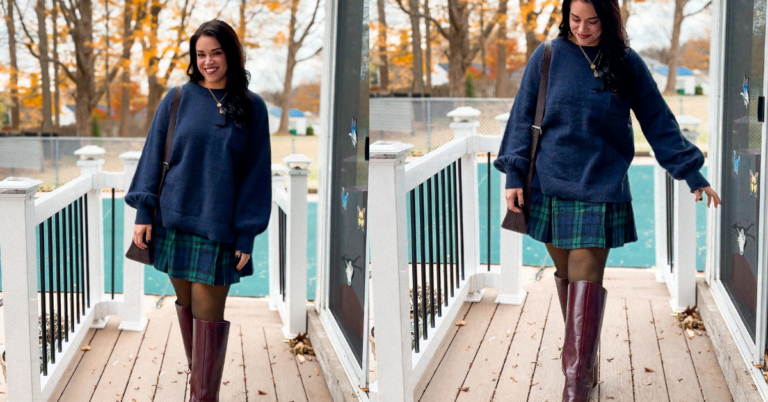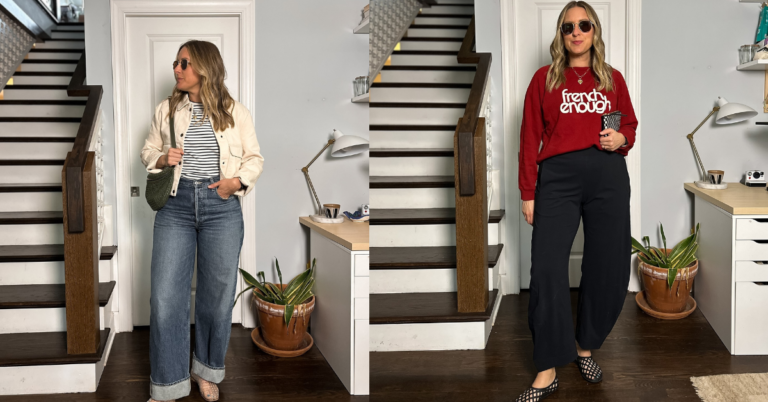

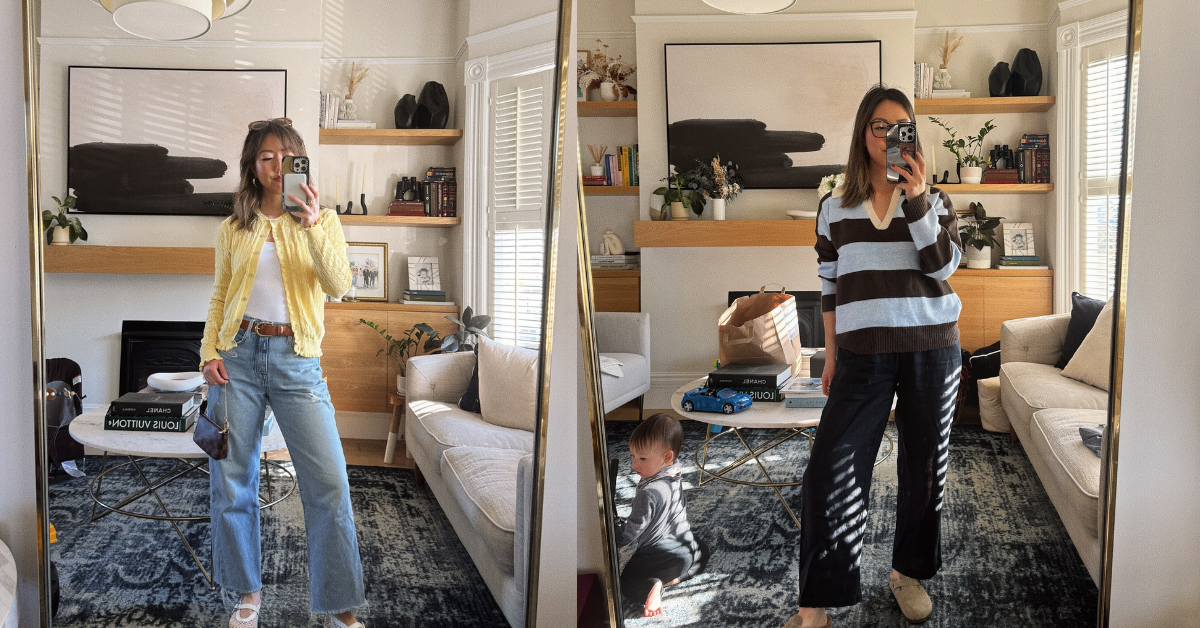
I am currently sitting on my floor surrounded by a massive pile of clothes. I’m doing my seasonal closet clean-out, and it really got me thinking about how our style evolves over time.
Now, I know what you might be thinking. “Anne, you are literally 25 years old. What do you know about dressing over 40?” And you are totally right to ask that! But here is the thing. I have spent my entire life looking up to the most incredibly stylish, powerful women in my family. My mom, my aunties back on the rez, my older cousins. They all have this effortless, magnetic confidence. When they walk into a room, they don’t look like they are trying hard to follow some fleeting internet trend. They just look incredibly put-together and fierce.
I realized a while ago that their secret isn’t about buying entirely new designer wardrobes. It is actually all in the tiny, microscopic details. It’s the little styling tweaks that elevate an outfit from “just okay” to “wow, who is she?” Whether you are 42, 55, or 70, these are the style secrets I’ve stolen from the absolute queens in my life. And I am sharing them with you today, because these tricks are way too good to gatekeep. Let’s break down the small details that make a massive difference.
—
1. The Magic of the “Invisible” Base Layers
Okay, we have to start with the foundation. You can be wearing a three thousand dollar silk dress, but if your undergarments are digging in or showing weird lines, the whole outfit loses its magic. As we get older, our bodies change, and that is a beautiful, natural thing! But it means we cannot keep wearing the same bras and underwear we bought five years ago.
Me and my mom were shopping last month, and she was so frustrated trying on these blouses. Nothing was laying right. I finally convinced her to go get professionally fitted for a new bra. You guys, it literally changed her life. She went down a band size and up a cup size, and suddenly every single shirt she owned looked tailored to her body. Her posture even looked better.
You need smooth foundations. Invest in high-quality, seamless underwear that matches your exact skin tone. Skip the bright colors or heavy lace under your everyday clothes if you want a really polished look. When your base layers fit perfectly and smooth everything out, your clothes drape the way the designer actually intended. It is the single most important detail that nobody actually sees.
—
2. Swapping Out Cheap Hardware
This is my absolute favorite sneaky stylist trick. It is so easy, but it changes everything. When you buy clothes from mid-range or fast-fashion stores, they usually save money by using really cheap, shiny plastic buttons. It is a dead giveaway that the item wasn’t expensive.
But you can fix this for like ten dollars. If you buy a classic blazer or a nice cardigan, go to a craft store or look online for heavy metal, tortoiseshell, or vintage horn buttons. Grab some scissors, cut the cheap plastic ones off, and sew the new ones on. It takes maybe twenty minutes while you are watching your favorite show.
I did this with a basic black trench coat I found at a thrift store. It had these horrible, flimsy plastic buttons that jingled when I walked. I swapped them out for these heavy, vintage gold brass buttons I found at a flea market. I wore it to a work event a few weeks later, and three different people asked me if it was vintage designer. It elevates the garment instantly. As you build your over-40 wardrobe, you want your pieces to look intentional and rich. Upgrading the hardware is the fastest way to get there.
—
3. The “Third Piece” Power Move
Have you ever put on a nice pair of trousers and a crisp button-down shirt, but felt like you still just looked like a caterer? It happens to the best of us. The outfit feels fine, but it doesn’t feel finished.
The secret that stylish older women know is the “Third Piece” rule. Your top and your bottom are pieces one and two. To make it an actual outfit, you need a third piece that adds structure or visual interest. This could be a tailored blazer, a beautiful silk scarf tied around your neck, a chunky statement belt, or even a really high-quality leather vest.
My Auntie Marie is the absolute queen of this. She will just be wearing simple straight-leg jeans and a white cotton tee. But then she throws on this incredible, floor-length lightweight duster coat with a subtle southwestern print. Suddenly, she isn’t just wearing clothes; she has a *look*. The third piece shows that you didn’t just get dressed in the dark. It shows you made a conscious choice about how you want to present yourself to the world today.
—
4. Intentional Proportions (Ditching the Oversized Trap)
I see this happen so often, and it makes me so sad. Sometimes, as women get into their 40s and 50s, they start wanting to hide. They start buying everything two sizes too big. Big tunics, wide flowy pants, massive cardigans. But wearing head-to-toe oversized clothes actually makes you look wider and older than you are.
It is all about balance and proportions. If you are going to wear a flowy, oversized top, your bottoms need to be tailored and slim-fitting. If you are rocking wide-leg trousers – which are so chic right now – your top needs to be fitted or neatly tucked in.
You have to define your waist. Even if you don’t feel like you have a tiny waist, creating the illusion of one gives your body a beautiful shape. Try doing a “French tuck”, where you just tuck in the very front inch of your shirt and let the rest hang loose. It elongates your legs and gives you structure without feeling tight or restrictive. Don’t hide your beautiful body under a tent, babe. Show off your shape with smart proportions.
—
5. Tonal Dressing for the “Rich Auntie” Vibe
If you wake up late, have exactly five minutes to get dressed, but still need to look like you own a yacht, tonal dressing is your best friend. This is a massive secret in the fashion world.
Tonal dressing, or monochromatic dressing, just means wearing different shades of the same color from head to toe. It is so elegant. Think about a pair of cream trousers, a slightly darker beige cashmere sweater, and a camel-colored wool coat over the top. It looks incredibly expensive and sophisticated.
You can do this with navy blue, charcoal gray, or olive green. The reason it works so well is that it creates one long, continuous visual line that makes you look taller and leaner. It also takes the guesswork out of matching. You don’t have to stand there wondering if your pink shirt goes with your green pants. Just pick one color palette and commit to it. It is peaceful, it is easy, and it guarantees you look put-together.
—
6. Quality Over Quantity with Jewelry
In our twenties, it is super normal to buy massive piles of cheap, trendy jewelry that turns our fingers green. I was definitely guilty of that! But as you curate your style in your 40s and beyond, it is time to edit your jewelry box down to the pieces that actually matter.
You don’t need twenty cheap necklaces. You need three really good ones. Solid gold, heavy sterling silver, or genuine stones. Being Indigenous, I grew up seeing the value of real, handcrafted jewelry. A heavy, stamped silver cuff bracelet or a beautiful turquoise ring tells a story. It has soul. When you wear one or two substantial, high-quality pieces, it grounds your entire outfit.
If you are wearing a simple black turtleneck, a pair of real gold hoop earrings and a classic watch will make you look like a CEO. Ditch the plastic beads and the fake pearls. Invest in metals that will last forever. Plus, solid metals don’t irritate your skin, which is always a bonus.
—
7. The Power of a Good Tailor (It is Non-Negotiable)
This is the ultimate game changer. I am totally convinced that the only difference between celebrities and regular people is that celebrities have everything tailored to their exact bodies. And you should too!
Finding a good, affordable local tailor is the best thing you can do for your wardrobe. It doesn’t matter if your pants cost twenty dollars or two hundred dollars. If the hem is dragging on the ground and getting frayed, they look cheap. If the sleeves of your blazer are hanging down to your knuckles, you look like you are playing dress-up in someone else’s closet.
Take your favorite basic pieces to a tailor. Have them hem your jeans so they hit right at the ankle bone. Have them take in the waist of that dress that fits your chest perfectly but is too baggy in the middle. It usually only costs a few bucks per item, but it transforms the clothing. When clothes fit you perfectly, you carry yourself differently. You don’t have to tug at your hem or pull up your pants all day. You can just exist and look fabulous doing it.
—
8. Grooming Details: Nails and Shoes
We can’t talk about styling details without talking about the very top and bottom of your look. Your shoes and your hands.
First, your shoes need to be in good condition. You can have the most beautiful outfit in the world, but if your leather boots are completely scuffed and covered in salt stains, the illusion is broken. Take five minutes once a month to polish your leather shoes and wipe down your sneakers. If the heels are wearing down, take them to a cobbler. Well-maintained shoes show that you pay attention to the details.
And for your hands, you absolutely do not need to get expensive acrylic manicures every two weeks. Just keep your nails clean, filed to a consistent length, and maybe add a clear coat or a simple, neutral polish. Chipped neon nail polish might work when you are 19, but a clean, buffed nail looks so much more elegant and timeless. It is just another tiny detail that says, “I take care of myself.”
Just a little note - some of the links on here may be affiliate links, which means I might earn a small commission if you decide to shop through them (at no extra cost to you!). I only post content which I'm truly enthusiastic about and would suggest to others.
And as you know, I seriously love seeing your takes on the looks and ideas on here - that means the world to me! If you recreate something, please share it here in the comments or feel free to send me a pic. I'm always excited to meet y'all! ✨🤍
Xoxo Lara