
Seasonal dressing gets weirdly expensive if you treat it like a shopping prompt. One minute you are fine in your “basics,” and the next minute the light changes, the weather shifts, and suddenly everything feels a little off. Too bright. Too dull. Too heavy. Too summery. Too serious.
Here’s the good news: you can make your wardrobe feel season-appropriate without adding new pieces, just by changing how much color shows, where it shows, and what kind of color it is (warm vs cool, light vs deep, muted vs clear).
This guide gives you a repeatable system: how to “season-shift” outfits using layering, color placement, accessories, and small styling changes, plus a few optional tricks (like dye and button swaps) if you want to go further.
One honest limitation: if your closet is almost entirely one-season colors (example: all black and grey, or all pastels), you can still adapt, but the change will be subtle unless you borrow or rotate in a couple of accent items.
Quick takeaways
- Keep your core neutrals the same year-round. Rotate your accent colors by season.
- Seasonal shifts usually come from color temperature (warm vs cool) and depth (light vs dark), not from trends.
- Change color placement, not your whole outfit: near the face, at the shoe, or in the “third piece.”
- Use your accessories like a dial: scarf, belt, bag, jewelry, socks, lipstick, nail color.
- Build 4 “mini palettes” from what you already own and save them on your phone.
If you only do one thing: move your seasonal color closer to your face (top, scarf, earrings, lipstick). That single change makes an outfit feel instantly more Spring, Summer, Autumn, or Winter.
The mindset shift: stop dressing for “seasons,” start dressing for “light”
Seasons change the light before they change your wardrobe.
- Spring light is clearer and brighter.
- Summer light is bright but often softer in feel.
- Autumn light is warmer and more golden.
- Winter light is cooler and higher-contrast.
Your outfit looks “right” when its contrast and temperature match the day’s light. That’s why the exact same outfit can feel perfect in October and slightly flat in April.
This is also why “seasonal color analysis” works for many people: it focuses on temperature (warm vs cool), depth (light vs deep), and clarity (bright vs muted). If you like the idea, you can explore the seasonal system as a tool, not a rulebook.
This is optional. Skip it if you find it overwhelming. You can still do everything in this guide using simple observation.
Step 1: Build a year-round base you do not change
Your base is the stuff that does most of the outfit work:
- trousers, jeans, skirts
- simple dresses
- blazers, coats, jackets
- everyday shoes
- bags
Pick 2–3 base neutrals that already dominate your closet:
- black, navy, grey, cream, camel, chocolate, olive
Your base neutrals stay steady. Your seasonal accents rotate.
This is how you avoid the “new season, new wardrobe” trap.
Step 2: Choose seasonal accents from what you already own
Think in accent families, not single colors.
Spring accents
Warm, light, fresh:
- coral, peach, warm pink
- clear aqua, mint
- light camel, warm ivory
(Seasonal palette descriptions often emphasize warm + light + fresh for Spring.)
Summer accents
Cooler, softer, more muted:
- dusty rose, soft berry
- powder blue, denim blue
- cool taupe, soft white
(Summer palettes are frequently described as cool + softer + lower contrast.)
Autumn accents
Warm, rich, earthy:
- rust, terracotta, cinnamon
- olive, moss, warm teal
- warm camel, chocolate
(Autumn palettes are commonly described as warm and earthy.)
Winter accents
Cool, deep, high-contrast:
- black and crisp white
- cobalt, emerald, true red
- icy blue, fuchsia
(Winter palettes are often framed as cool + deep + contrast.)
You do not need all these colors. You just need 1–2 accent families per season.
Step 3: Use the “season dial” method (the easiest way to adapt outfits)
Instead of swapping entire outfits, turn these dials:
Dial 1: Temperature
- Spring/Autumn: warmer accents (gold metals, camel, rust)
- Summer/Winter: cooler accents (silver metals, navy, icy tones)
Dial 2: Depth
- Spring/Summer: lighter accents (cream, light denim, soft pastels)
- Autumn/Winter: deeper accents (chocolate, burgundy, deep navy)
Dial 3: Contrast
- Spring/Summer: lower contrast outfits often look more season-right
- Winter: higher contrast often looks sharper and more intentional
One strong opinion: if your closet feels chaotic, stop mixing five contrast levels at once. Pick one contrast level per outfit and commit to it.
Step 4: Change color placement, not the whole outfit
Where the color sits changes the seasonal vibe more than the color itself.
The three highest-impact placement zones
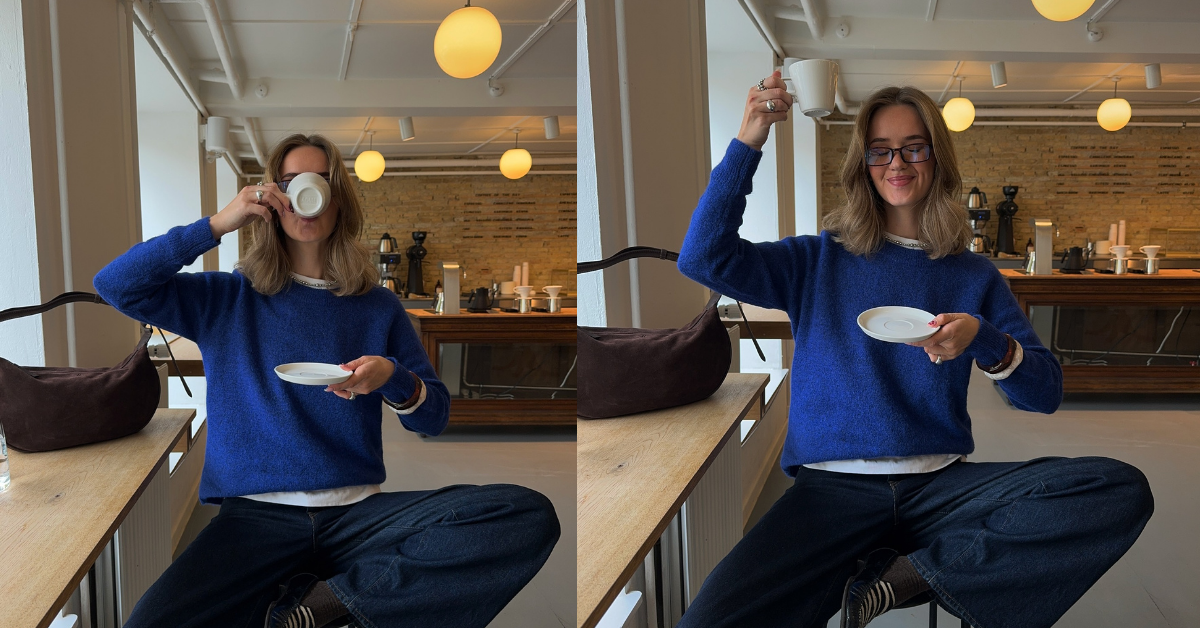
1) Near your face (top half)
- top, scarf, earrings, lipstick
This is the fastest seasonal shift because it affects your “overall read” immediately.
2) The third piece
- blazer, cardigan-jacket, trench, overshirt, coat
If you change only one item, change the layer.
3) Shoes and bag
- warm shoes/bag for Autumn
- clean white sneakers or light shoes for Spring/Summer
- sharper, darker shoes for Winter
Step 5: Make 4 mini palettes from your actual closet in 20 minutes
Do this once. Save it. Reuse it forever.
- Pull 8–12 items you already own that feel “most you.”
- Sort them into:
- neutrals
- accents
- Build four mini palettes by season:
- Base neutrals (same each season)
- Season accents (2–4 colors)
- Take a photo of each palette and favorite it on your phone.
If you want extra structure, you can use ideas similar to capsule palette planning: base neutrals plus a limited set of accents to increase outfit combinations.
Seasonal switches that cost nothing
These are the small moves that make the same clothes look season-right.
Spring: “lighter + cleaner + a little playful”
- Swap black accessories for tan, cream, or light denim
- Push sleeves up and show wrist
- Wear white or light sneakers more
- Choose smoother fabrics (cotton poplin, lighter knits)
Outfit example (same base, new season):
Navy trousers + white tee
- Winter: black blazer + black boot
- Spring: camel trench + white sneaker + gold hoop
Summer: “cooler + softer + breathable”
- Keep outfits lower contrast (navy + soft white instead of black + white)
- Use linen, cotton, and lighter layers
- Swap heavy bags for lighter structured totes
Quick trick: if your outfit feels heavy, remove one dark item from the top half.
Autumn: “warm + textured + grounded”
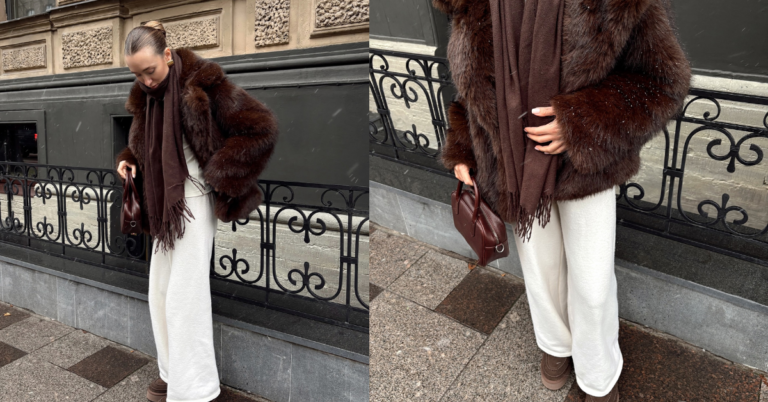
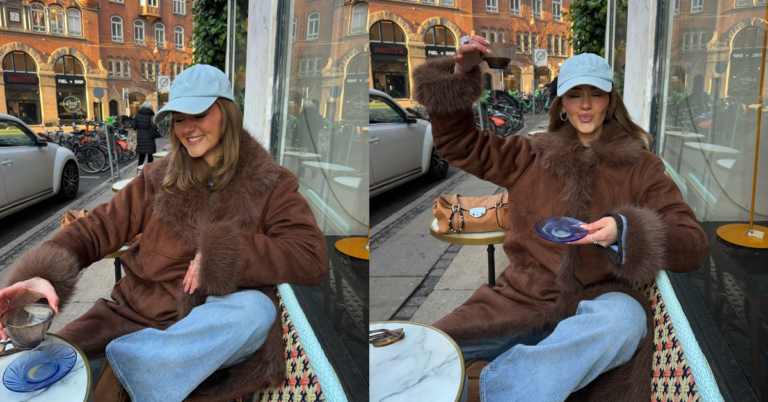
- Bring in warm browns, olive, rust
- Add texture: suede, denim, knit, leather
- Shift metals to gold and warm tortoise
- Add socks or tights that match your shoe (more grounded)
Outfit example:
Straight jeans + knit
- Summer: light denim + white knit + sneaker
- Autumn: darker denim + camel knit + loafer + scarf
Winter: “deep + crisp + higher contrast”
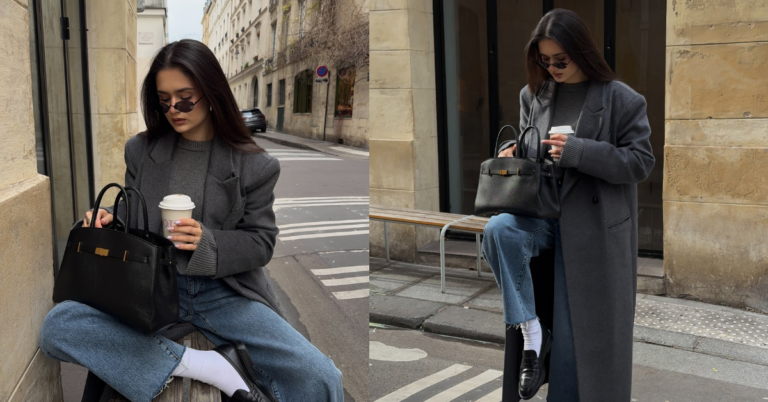
- Use black, navy, charcoal, deep jewel tones
- Increase contrast (dark base + crisp light top)
- Add shine carefully (simple metal jewelry, sleek boots)
If you like using trend reports as inspiration, Pantone publishes seasonal fashion color trend reports and a Color of the Year, which can be a fun way to name the vibe, even if you are not shopping.
The “no new clothes” toolbox
This is the part that makes the system actually work.
1) Accessories as seasonal color swaps
Use these as your seasonal accents:
- scarves
- belts
- bags
- jewelry
- socks/tights
- hair accessories
- lipstick and nails
A tiny but real trick: match your belt to your shoe when you want instant polish, especially in Autumn/Winter.
2) Layering as a color filter
Layering changes how much of a color shows.
Try:
- a light top under a darker layer for Winter contrast
- a darker base under a lighter layer for Spring softness
- tonal layers (same color family) for modern simplicity
3) Color “bridges” that make outfits look intentional
A bridge is one item that connects two colors so it doesn’t feel random.
Examples:
- navy + camel bridged by denim
- black + brown bridged by leopard/tortoise
- grey + cream bridged by soft taupe
4) Outfit formulas that season-shift easily
Pick 2–3 and keep them year-round:
- Straight trouser + knit + third piece + flat
- Jeans + tee + cardigan-jacket + sneaker/loafer
- Midi skirt + simple top + jacket + boot/sneaker
- Column dress + layer + boot/sneaker
You are not changing the formula. You are changing the dials.
Optional advanced moves (still no shopping)
This is optional. Skip it if you are not in the mood for projects.
Dye one “problem” piece
If you have a piece you love but the color feels wrong seasonally, dye can rescue it (especially natural fibers). Start with something low-risk.
Reality check: dyeing synthetics is harder and less predictable than dyeing natural fibers. So pick your project carefully.
Swap buttons
Changing buttons on a blazer or cardigan can shift the vibe:
- warm tortoise for Autumn
- crisp dark or metal for Winter
- lighter neutral for Spring/Summer
Change how you style the same colors
Color is not only “what.” It’s “how.”
- Winter: sharper lines, cleaner contrast
- Summer: softer edges, lighter fabric drape
- Autumn: texture and warmth
- Spring: clarity and freshness
Common mistakes that make seasonal dressing feel impossible
Mistake 1: Thinking you need new “season colors”
You need new placement, not new colors.
Mistake 2: Changing everything at once
Swap one element:
- scarf, shoe, bag, or third piece
Mistake 3: Forcing a season that does not match your closet
If your closet is mostly cool tones, lean Summer/Winter and just warm it slightly in Autumn using texture and warmer neutrals.
Mistake 4: Ignoring fabric weight
Even perfect colors look wrong if the fabric weight is wrong for the weather.
Trade-off with no clean solution: some people love wearing black year-round. You can make black work in Spring and Summer, but it will usually read sharper and heavier than lighter neutrals. If black feels like “you,” keep it, just soften it with lighter shoes, breathable fabrics, and lower-contrast pairings.
A simple weekly routine that keeps seasonal outfits easy
- Pick 3 outfits for the week using one formula.
- Choose one seasonal accent family (example: rust, olive).
- Make sure each outfit has that accent near the face or at the shoe.
That’s it. You get cohesion without shopping.
FAQ
What if I do not know whether I suit warm or cool colors?
You can still do seasonal shifts without knowing your “season.” Start by noticing what feels better on you:
- Warm accents often feel more “glowy.”
- Cool accents often feel more “clean and crisp.”
Seasonal analysis frameworks exist if you want a deeper dive, but it’s not required.
How do I make Summer outfits feel less bland without buying anything?
Add one contrast point:
- a darker belt
- a brighter lip
- a structured bag
- a scarf tied on the bag handle
How do I make Winter outfits feel less heavy?
Bring light closer to your face:
- cream knit, crisp white shirt, lighter scarf
Keep the base dark if you want, just lift the top half.
Can I do this if I only wear neutrals?
Yes. Seasonal changes can be done with:
- texture (linen vs wool)
- depth (cream vs white vs charcoal)
- metal tone (gold vs silver)
- shoe shape and finish
Are trend reports useful if I am not shopping?
They can be useful as naming and inspiration. Pantone publishes seasonal fashion color trend reports and a Color of the Year, which can help you choose an accent direction using what you already own.
Just a little note - some of the links on here may be affiliate links, which means I might earn a small commission if you decide to shop through them (at no extra cost to you!). I only post content which I'm truly enthusiastic about and would suggest to others.
And as you know, I seriously love seeing your takes on the looks and ideas on here - that means the world to me! If you recreate something, please share it here in the comments or feel free to send me a pic. I'm always excited to meet y'all! ✨🤍
Xoxo Lara