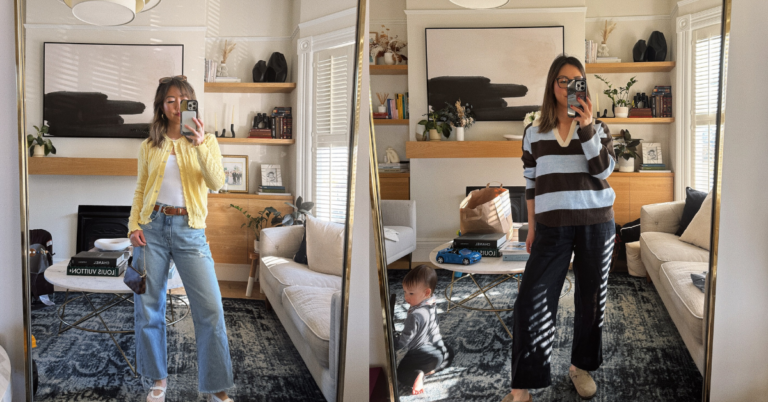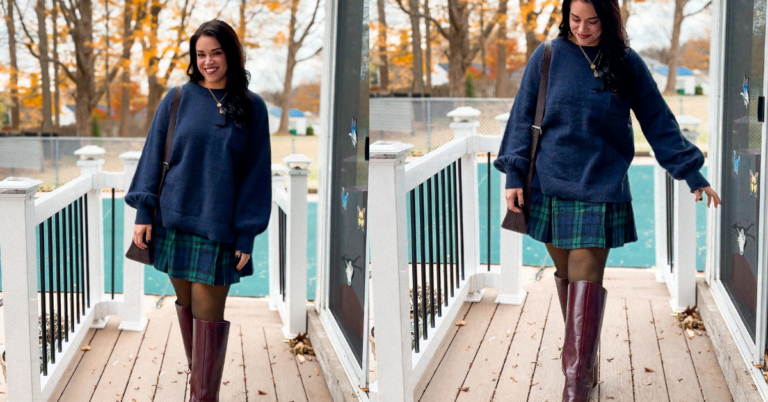

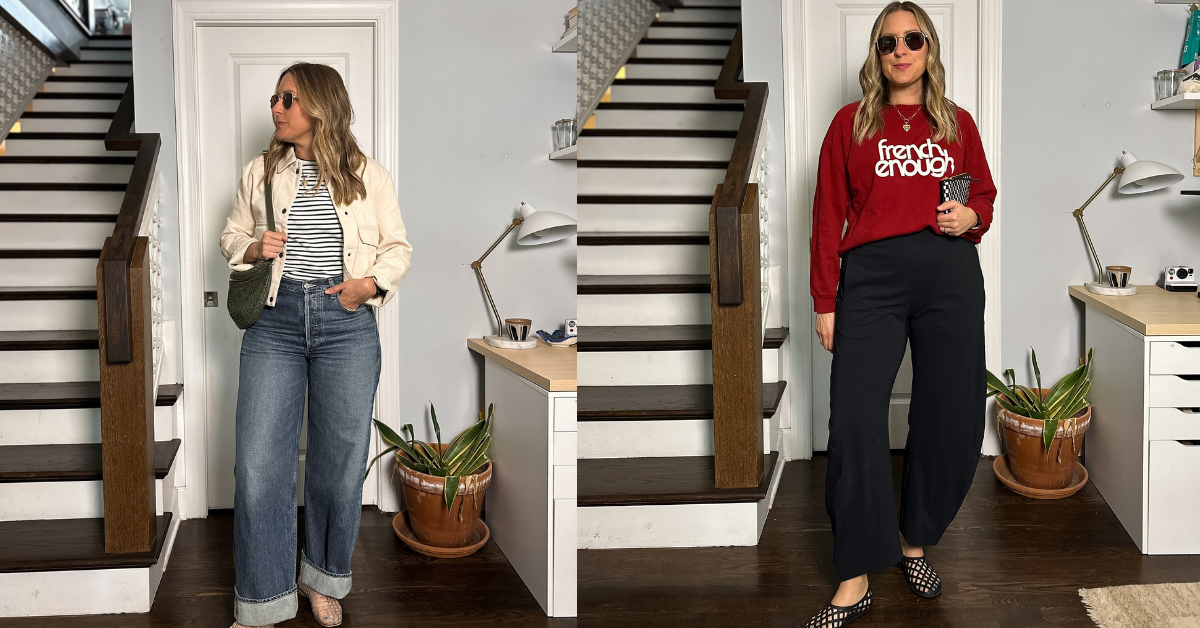
Grab your iced matcha – or maybe a giant cup of coffee if you were up late scrolling TikTok like I was last night – and let’s get into it. I am currently sitting here at my kitchen island, looking at a huge pile of laundry I need to fold, and thinking about how our style changes as we get older. I was actually on FaceTime with my mom this morning for like two hours. She just turned 46, and honestly? She has literally never looked better in her entire life. It got me thinking about the whole aesthetic of women over 40 right now. There is this huge shift happening, and I am so obsessed with it.
For a long time, the fashion industry told moms that when they hit a certain age, they either had to cut their hair short and wear boring, shapeless clothes, or they had to desperately chase every single teenage trend to look “young.” Both of those options are exhausting. But recently, I have noticed that the most stunning, head-turning women in their 40s and 50s are doing something completely different. They are leaning into what I call “calm style.”
When your style is calm, you don’t look like you are trying hard. You just look wealthy, unbothered, and incredibly confident. It is a total game changer. I want to break down exactly what calm style is, why it looks so insanely good on moms over 40, and how you can actually build this wardrobe for yourself without spending a fortune. Let’s get into the guide!
—
What Exactly Is “Calm Style”?
Okay, so what do I actually mean when I say calm style? It is all about removing the visual noise. Think about the opposite of those crazy, chaotic fast-fashion hauls we see online. Calm style is intentional. It is a wardrobe built on solid colors, high-quality fabrics, and silhouettes that actually let you breathe.
When you are in your 20s, like me, you are still figuring yourself out. We wear loud, crazy outfits because we are trying on different personalities. But by the time a woman hits her 40s, she already knows who she is. She has lived a whole life, raised kids, built a career, and survived so much. She doesn’t need her clothes to scream for attention because her presence is already powerful enough. Calm style is about letting the woman shine, rather than letting the outfit take over.
It is not about being boring at all. It is about quiet luxury. It is the visual equivalent of taking a deep breath after a really long, stressful day. And let’s be real, moms have enough chaos in their daily lives with school runs, work meetings, and managing a household. Getting dressed in the morning shouldn’t feel like another stressful chore.
—
The Magic of a Neutral, Grounded Color Palette
The first and most important step to achieving this look is mastering your colors. When I was a kid, my mom went through this phase where she wore these bright, neon-patterned blouses. She thought they made her look fun and approachable. But honestly, they just sort of wore her. The colors were so loud that you noticed the shirt before you noticed her beautiful face.
Last year, she decided to do a massive closet cleanout. We bagged up all the crazy prints and dropped them off at a donation center. She started replacing them with these beautiful, soft neutrals. I am talking creamy whites, rich taupes, navy blues, and olive greens. The transformation was actually wild. The second she put on a simple, cream-colored linen button-down, she looked ten years younger. Her skin literally glowed. It was like she finally gave herself permission to just relax.
When you stick to a calm, neutral palette, everything matches automatically. You don’t have to stand in your closet at 7 AM wondering if a red floral skirt goes with a striped top. You just grab a navy sweater and some beige trousers, and you look like you own a yacht. It takes the decision fatigue completely out of your morning routine.
—
Fabric Quality Over Everything Else
This is where we have to have a serious talk about fast fashion. When you are 21, you can kind of get away with wearing cheap polyester tops because your skin is literally made of collagen and youth lol. But as we mature, cheap fabrics start to look really harsh against our skin.
Moms over 40 look best when they invest in natural, breathable fabrics. We are talking about 100% cotton, breezy linen, real silk, and soft cashmere or merino wool. Yes, these pieces cost a little bit more upfront. But they last for years, and the way they drape over your body is completely different from cheap synthetic materials.
A simple black t-shirt made of high-quality, thick cotton looks like a designer piece. A cheap, thin black t-shirt looks like pajamas. It is all in the texture. When you wear natural fibers, your outfit has movement and depth. It looks rich. Plus, let’s be honest, moms deal with hot flashes, running around after kids, and crazy busy schedules. Natural fabrics actually let your body breathe so you aren’t a sweaty, uncomfortable mess by noon.
—
The “One Statement Piece” Jewelry Rule
When it comes to accessories, the calm style rule is very simple: less is always more. You want to avoid that “clunky” look where you have heavy necklaces, huge earrings, and ten bracelets all fighting for attention. It looks fussy and chaotic.
Instead, choose one beautiful statement piece to anchor your look. This is something I actually learned from my Aunties back home on the rez. Native women have always known how to do this perfectly. My Auntie Clara will wear the most simple outfit ever – just a pair of dark wash straight-leg jeans and a black cashmere turtleneck. But she will finish it off with one massive, incredible, handcrafted silver and turquoise cuff bracelet. It is the only piece of jewelry she wears, but it has so much soul and history. It makes the whole outfit look intentional and fiercely elegant.
You can do the same thing. Find a signature piece that tells a story about who you are. Maybe it is a vintage gold watch you inherited, or a beautiful pair of pearl drop earrings, or a delicate gold chain with a meaningful pendant. Put that on, keep the rest of your jewelry minimal, and you will instantly elevate your entire vibe. It shows restraint, which is the ultimate sign of good taste.
—
Embracing the Relaxed Silhouette
Can we please officially agree that clothes shouldn’t hurt? For so long, we were told that to look “put together,” we had to wear tight, restrictive clothing. Skinny jeans that cut off your circulation, stiff blazers that you couldn’t move your arms in, and dresses that required literal shapewear armor underneath.
Moms over 40 are done with that nonsense, and I am so here for it. The calm aesthetic is all about relaxed, fluid silhouettes. It means wearing wide-leg trousers that actually give your legs room to breathe. It means wearing an oversized, cozy cardigan instead of a stiff, structured jacket. It is about clothes that flow with you as you move through your day.
When your clothes fit loosely but are tailored well, it gives off this amazing energy of self-assurance. It says, “I am comfortable in my own skin, and I don’t need to squeeze myself into a tiny box to prove anything to anyone.” A relaxed fit is incredibly flattering on every single body type. Just make sure you balance it out. If you are wearing a big, flowy linen pant, pair it with a slightly more fitted top so you don’t lose your shape entirely. Balance is key, babe!
—
Footwear That Actually Supports Your Life
We cannot talk about a calm wardrobe without talking about shoes. Because let me tell you, nothing ruins a chic outfit faster than the look of pain on a woman’s face because her heels are pinching her toes.
My friend’s mom, Sarah, used to insist on wearing these high, pointed-toe heels to every single school event and dinner party. She always ended up sitting in the corner halfway through the night rubbing her arches. Last year, she finally gave up and bought a pair of high-end, buttery soft leather loafers. She wore them to a brunch we all went to, paired with some cropped trousers and a silk blouse. She looked so incredibly stylish, kind of like a French fashion editor. And the best part? She was actually walking around, laughing, and enjoying herself because she wasn’t in pain.
A calm style demands calm footwear. Invest in a great pair of leather loafers, some sleek white leather sneakers, or a really supportive, minimalist ankle boot. Flat shoes are having a massive moment right now, and they are completely acceptable for almost any occasion. When your feet feel grounded, your whole energy is more grounded. You walk taller, and you just look way cooler.
Just a little note - some of the links on here may be affiliate links, which means I might earn a small commission if you decide to shop through them (at no extra cost to you!). I only post content which I'm truly enthusiastic about and would suggest to others.
And as you know, I seriously love seeing your takes on the looks and ideas on here - that means the world to me! If you recreate something, please share it here in the comments or feel free to send me a pic. I'm always excited to meet y'all! ✨🤍
Xoxo Lara