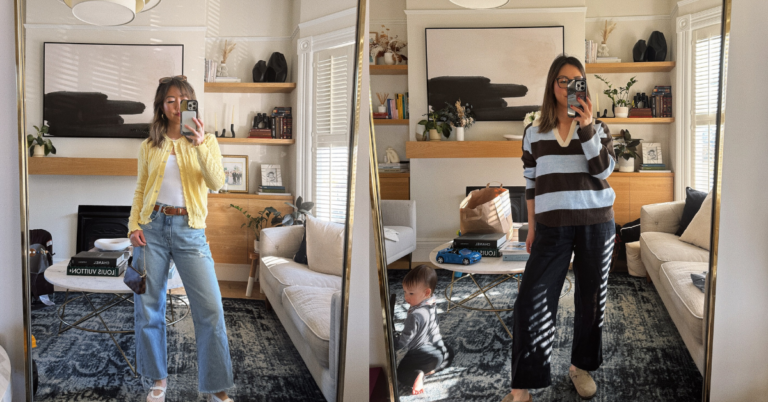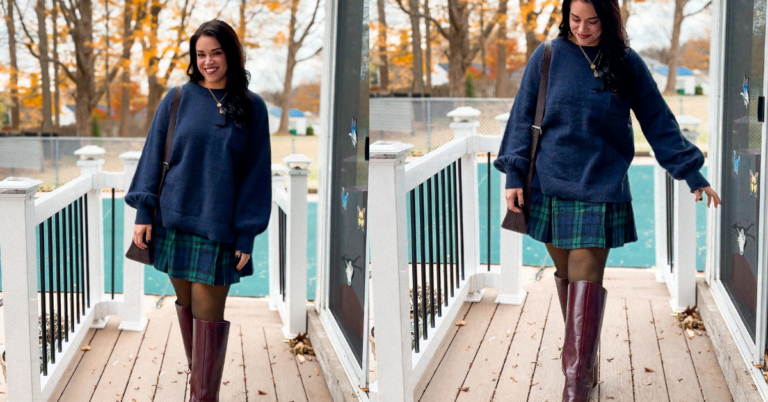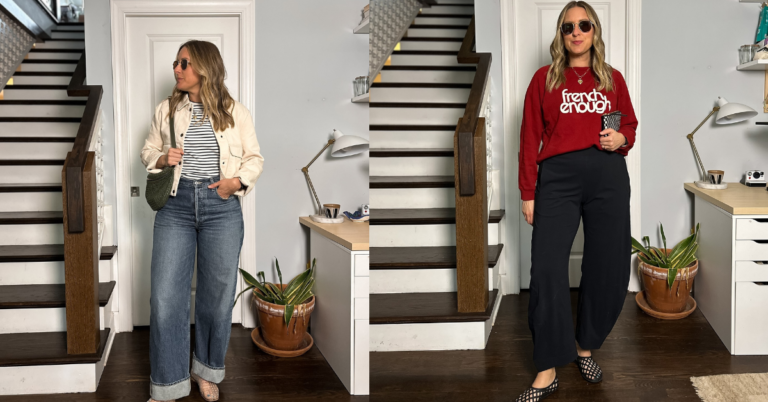

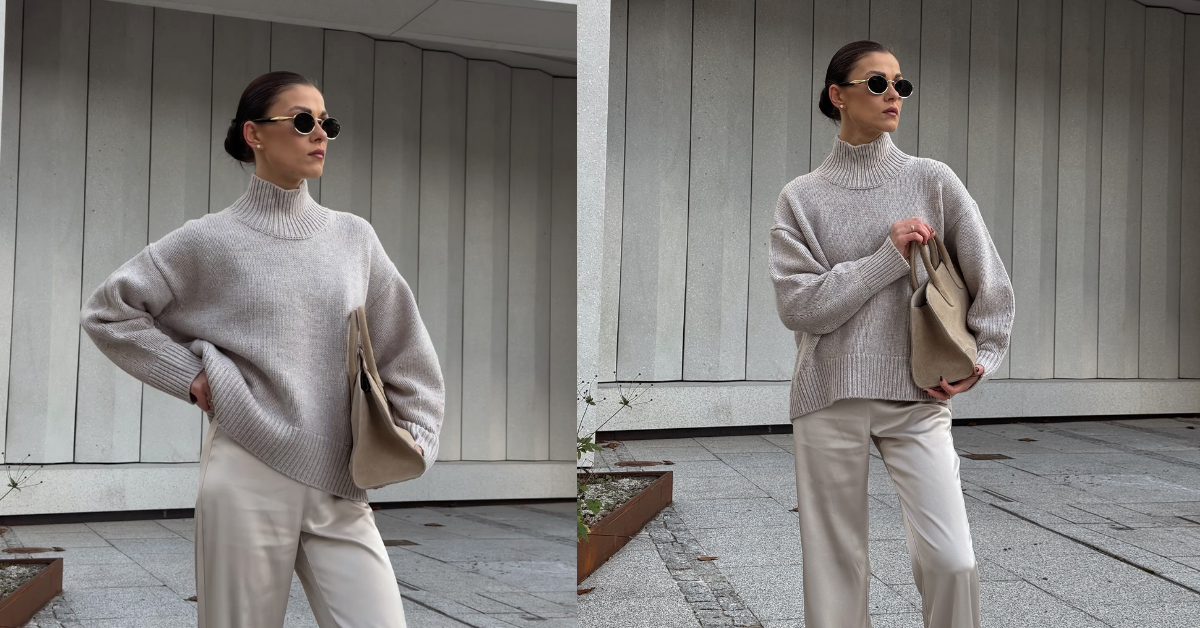
I know exactly how it feels. You open your closet doors and it is completely stuffed. Like, the hangers are literally squished together. But somehow, you stare at all those clothes and you think, “I have absolutely nothing to wear.” Everything is either pre-baby, needs to be dry-cleaned, or is just way too uncomfortable for bending over fifty times a day to pick up toys. It is so incredibly frustrating.
I was literally standing in my closet a few months ago having a complete meltdown. My toddler was sitting on the floor smearing a squished blueberry onto my only clean pair of leggings. I looked at the racks of beautiful, impractical clothes that I hadn’t touched in over a year. I just started crying. Not a cute little tear, but a full-on, overwhelmed breakdown. I realized my wardrobe was actually making my daily life harder. That is when I decided something had to change. I needed a Mom Capsule Wardrobe.
Having fewer clothes actually gives you way better outfits. It eliminates decision fatigue completely. Today, I am sharing my ultimate, step-by-step guide to building a capsule wardrobe that actually works for real life. This isn’t about looking perfect for Instagram. It is about feeling like yourself again, staying comfortable, and getting dressed in under three minutes. Let’s get right into it!
1. The Brutal (But Necessary) Closet Purge
You cannot build a functional capsule wardrobe until you clear out the noise. And by noise, I mean those jeans from five years ago that make you feel bad about your body every time you look at them. Please, get them out of there.
We hold onto so much guilt with our clothes. We think about how much money we spent on a dress, or we hold onto fantasy versions of our lives. But your clothes need to serve the woman you are right now today. My auntie actually came over to help me with my laundry a while back, and she gave me the best reality check. In our Native culture, there is a big emphasis on things having a purpose and not hoarding excess just out of fear. She pointed to a pile of stiff, uncomfortable blouses and asked me, “Are these helping you be a better mom today?” The answer was no. They were just stressing me out.
How to do the purge:
- The 6-Month Rule: If you haven’t worn it in the last six months, put it in a box. You don’t have to donate it right away, but get it out of your daily sightline.
- The Comfort Test: Try the piece on and do a squat. Seriously. If it digs into your stomach or you have to constantly pull it down, it is gone.
- Ditch the “Dry Clean Only”: Let’s be real. Who has time to go to the dry cleaner? If you can’t throw it in the washing machine on a Tuesday night, it doesn’t belong in a mom capsule.
2. Building a “Spill-Proof” Color Palette
Okay, let’s talk about colors. Before I had a kid, I loved wearing all white. White jeans, white silk tops, the whole minimal aesthetic. Now? White is basically a magnet for sticky fingers, mud, and whatever mysterious substance is currently on the playground slide.
But that doesn’t mean you have to wear boring black every single day. The secret to a great mom capsule is choosing rich, earthy tones that look expensive but actually hide stains incredibly well. This is my favorite part because it makes laundry day so much easier. When everything in your closet matches, you can literally get dressed in the dark and still look put together.
I lean heavily into my heritage here and go for colors found in nature. Deep terracotta, chocolate brown, olive green, and charcoal grey. These colors are so forgiving. If you get a little bit of coffee spilled on a dark brown sweater, nobody is even going to notice.
Your Core Palette Checklist:
- Pick two dark neutrals: Navy and chocolate brown are amazing alternatives to black.
- Pick two light neutrals: Oatmeal, taupe, or a dark heather grey. Avoid pure white and go for darker creams that don’t show dirt instantly.
- Add two accent colors: This is where you bring in your personality. I love a deep forest green and a rusty orange. Make sure these accents pair well with your neutrals.
3. The Magical 3-Piece Outfit Formula
This is the absolute core of the guide. If you only take one thing away from this article, let it be the 3-piece formula. When you are rushing out the door, you do not have time to style a complex outfit. You need a formula that works every single time.
The formula is simple: A comfortable base layer, a structured outer layer, and a cool accessory or shoe. That is it. That third piece is what takes an outfit from “I just rolled out of bed” to “I am a chic, functional human being.”
For example, my base layer is almost always my favorite high-waisted black leggings and a plain cotton tank top. If I leave the house just like that, I feel a bit exposed and messy. But, if I throw on an oversized, structured denim shirt (the second piece) and grab a cool vintage baseball cap (the third piece), suddenly it is a whole look.
Here are some combinations to try:
- The Errands Run: Bike shorts + an oversized graphic tee + a chunky cardigan.
- The Playground Date: Stretchy mom jeans + a fitted bodysuit + an oversized flannel shirt tied around your waist.
- The Coffee Meetup: A knit midi dress + a cropped denim jacket + comfortable retro sneakers.
4. Finding Bottoms That Actually Move With You
We have to have an honest conversation about pants. After having a baby, my body completely changed. And honestly, it took me a long time to accept that my old rigid denim jeans were never going to feel good again. I spent months forcing myself into pants that gave me a stomach ache by 2 PM.
I learned this lesson the hard way at the park a while ago. I was wearing these super stiff vintage jeans because I wanted to look cool for a playdate. My kid decided to make a run for the swings, and when I lunged to grab him… my jeans literally ripped right down the back seam. I had to tie my jacket around my waist and awkwardly waddle to my car. It was humbling, to say the least.
Now, I refuse to wear anything that doesn’t have at least a little bit of stretch. But you don’t have to sacrifice style for comfort. The market is full of amazing options right now that look like real pants but feel like sweatpants.
The essential bottoms you need:
- The Elevated Jogger: Look for joggers made of a nice crepe material or a thick cotton blend, not thin pajama fleece. You can pair these with a nice sweater and look instantly styled.
- The “Magic” Stretchy Jean: Find a straight-leg or wide-leg jean with at least 2% elastane. A higher rise will support your core and keep everything tucked in when you are bending down.
- The High-Quality Legging: Invest in two pairs of really good, thick leggings that do not pill or go see-through. They are the absolute foundation of mom life.
5. Outerwear is Your Secret Weapon
When you are a mom, you spend a lot of time outside. Parks, school drop-offs, walking the dog. Because of this, your coat or jacket is often the only part of your outfit that anyone actually sees. If you are wearing an old, stained fleece zip-up, it drags the whole look down.
This is where you should spend a little bit of your budget. Having two or three really great outerwear pieces will save you on the days when you are literally wearing pajamas underneath. I do this all the time. I will have on my sleep shirt and soft pants, but I throw on my massive, beautifully tailored wool blend coat, and I suddenly look like I have my life completely figured out.
Outerwear provides structure. It frames your body and gives a polished finish to the soft, stretchy clothes you are wearing underneath.
Must-have outerwear pieces:
- The Shacket (Shirt-Jacket): This is the ultimate mom layer. It is thicker than a flannel but softer than a coat. It covers your bum if you are wearing leggings, and it has giant pockets for snacks and keys.
- The Longline Cardigan: A thick, chunky knit that hits below the knee. It basically feels like wearing a blanket out of the house, but it looks incredibly elegant.
- The Water-Resistant Trench: For rainy days, a slightly oversized trench coat makes even the most basic sweatpants look like a deliberate fashion choice.
6. Washable, Walkable, Slip-On Footwear
Okay, the final piece of the puzzle. Shoes. When you are holding a baby in one arm, a diaper bag on your shoulder, and a cup of coffee in your hand, you do not have the physical ability to sit down and tie your shoelaces.
You need shoes that you can step right into without using your hands. This was a massive game-changer for me. I used to love these intricate boots with a million buckles. Now? If I can’t slide my foot into it in 0.5 seconds, I am not buying it.
But again, we are aiming for style. We aren’t just wearing beat-up house slippers to the grocery store. The “wrong shoe theory” works perfectly here. Pair your super casual leggings outfit with a slightly more structured, cool shoe to elevate the whole vibe.
The best shoes for your capsule:
- The Slip-On Retro Sneaker: Brands are making so many cool, vintage-looking sneakers now that have elastic laces or just slip right on. They give you support for walking but look super trendy.
- The Chelsea Boot: A chunky Chelsea boot with a thick rubber sole is perfect for winter and fall. It handles mud and rain easily, and you just stomp your foot right in.
- The Elevated Slide: For summer, skip the flimsy flip-flops. Get a slide sandal with thick leather straps and an anatomical footbed. They look polished and save your back.
Just a little note - some of the links on here may be affiliate links, which means I might earn a small commission if you decide to shop through them (at no extra cost to you!). I only post content which I'm truly enthusiastic about and would suggest to others.
And as you know, I seriously love seeing your takes on the looks and ideas on here - that means the world to me! If you recreate something, please share it here in the comments or feel free to send me a pic. I'm always excited to meet y'all! ✨🤍
Xoxo Lara