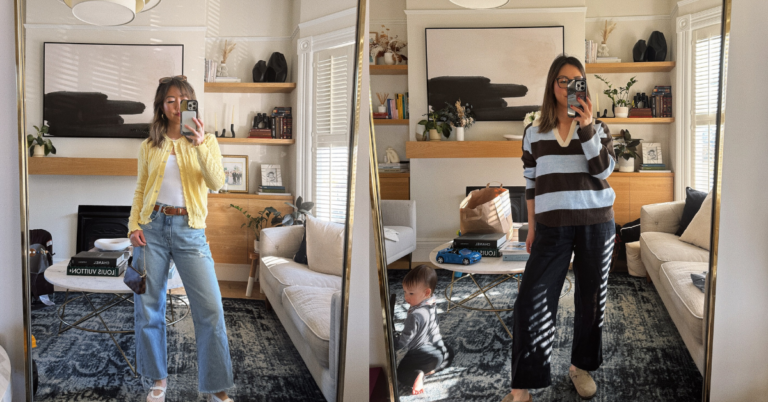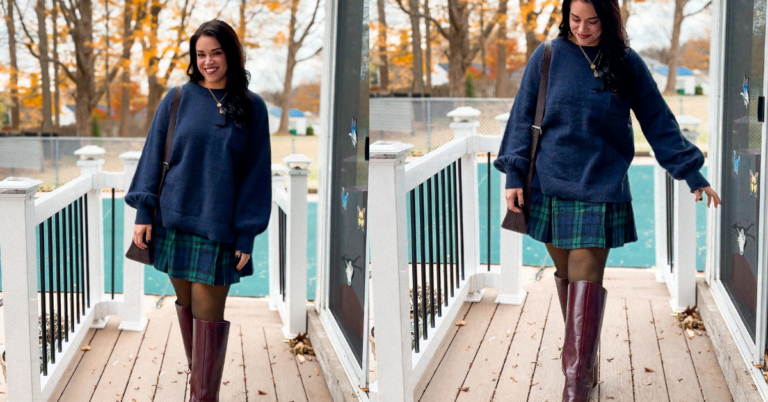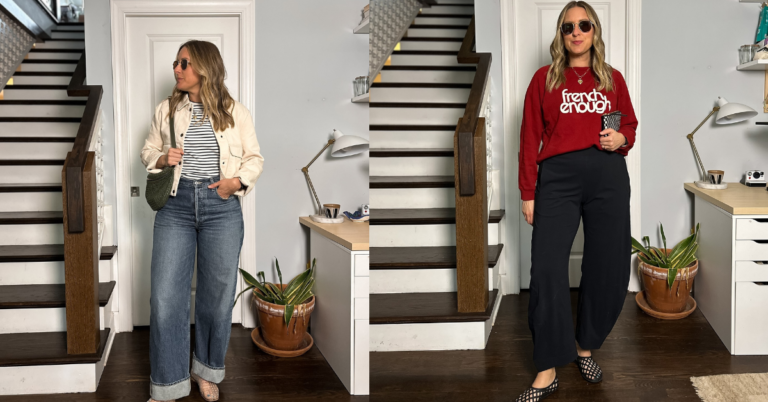

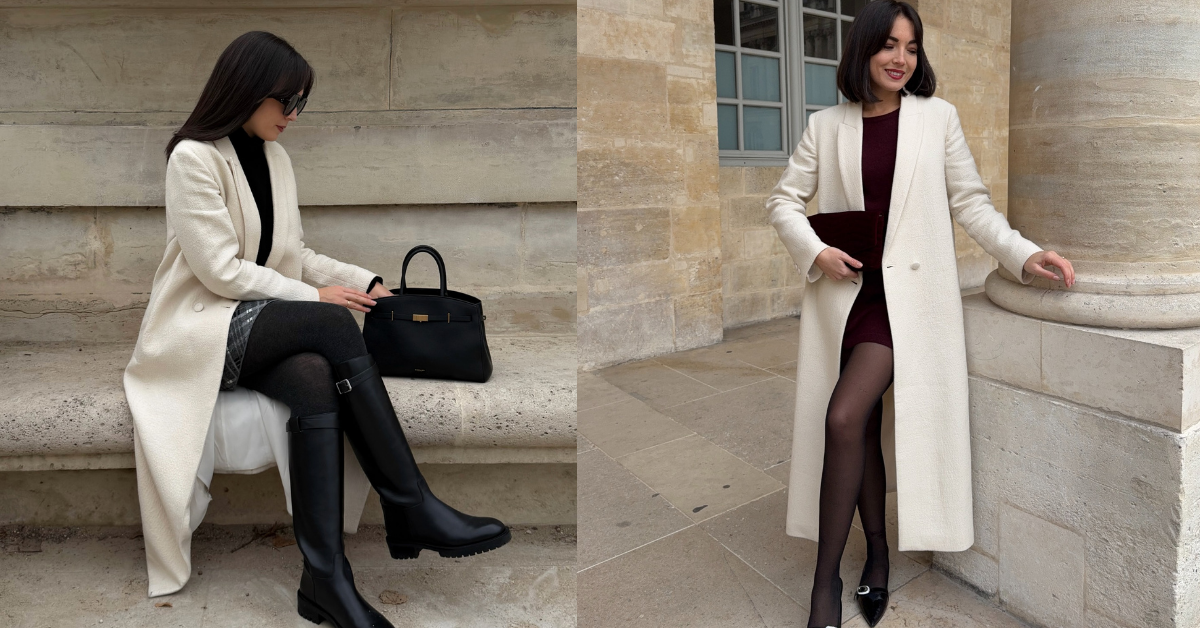
There’s a very specific frustration that tends to show up after 40: you do not want to look “stuck,” but you also have zero interest in being a walking trend report. And honestly, that is a good instinct. Trends are built to move fast. Your life probably is not.
The real sweet spot is modernity, not trendiness. Modern style reads current because the fit is intentional, the proportions make sense for today, the materials look good up close, and the outfit has one clear point of view. It’s less about buying “the right pieces” and more about upgrading how you choose, combine, and finish what you already own.
This guide gives you a practical framework you can repeat: how to choose silhouettes that feel now, how to build outfits quickly, what to tailor (and what not to), how to shop without impulse-buying, and which “modern tweaks” make the biggest difference for the least effort.
One upfront truth: this won’t work if you’re trying to keep every era of your style alive at the same time. The whole point is editing.
Quick answer for skimmers
- “Modern” usually comes from proportion + fit + finish, not from buying trendy items.
- Pick a simple color strategy (2 neutrals + 1–2 accent colors) and repeat it.
- Use a current silhouette somewhere in the outfit (wider leg, straighter line, longer top layer), and keep the rest classic.
- Upgrade your “third piece”: blazer, coat, cardigan-jacket, leather jacket, or overshirt.
- Prioritize fabric and structure over logos. Cheap fabric looks cheap fastest.
- Tailoring is your friend, but only for items worth it: hems, waist tweaks, sleeve length.
- Build 3–5 default outfits for real life (work, weekend, dinner, travel) and stop reinventing daily.
- Track value using cost-per-wear when you’re torn between “cheap now” and “worth it.”
If you only do one thing: take your most-worn outfit type (jeans outfit, work outfit, dress outfit) and update one of these: the shoe shape, the pant leg shape, or the outer layer length. One change often modernizes the whole look.
The decision framework: modern without trendy
Use this like a filter whenever you shop or get dressed.
If you want to look current without thinking about it…
Do: build a “uniform” with small variations.
I usually tell people to stop chasing variety in the morning. One good default outfit does more than ten options. Your uniform is not boring. It’s efficient.
Examples:
- Straight or wide-leg jeans + knit + modern sneaker/loafer + structured coat
- Column dress + cropped jacket + simple jewelry + sleek boot
- Tailored trouser + tee + blazer + clean trainer
If you want to feel polished but comfortable…
Do: choose structure in one piece only.
Pick one structured item:
- blazer, coat, trouser, jacket, crisp shirt
Then keep the rest soft:
- knit, tee, fluid skirt, relaxed jean
That balance reads modern and adult without feeling corporate.
If you want your outfits to feel “you,” not like a costume…
Do: repeat a signature.
Pick one signature and make it your calling card:
- gold jewelry, a red lip, monochrome, interesting belt, great boots, crisp white shirt
Trends change. Your signature is what makes you recognizable.
The 5 modern levers that matter most
1) Proportion (this is the real secret)
Modern outfits usually have a clear shape:
- long + lean column
- wide bottom + fitted top
- relaxed top + straight bottom
- cropped jacket + higher waist
If everything is fitted everywhere, it can look dated. If everything is oversized everywhere, it can look sloppy. The sweet spot is contrast.
Easy proportion fixes:
- Half-tuck knits and tees.
- Push sleeves up to show wrists.
- Choose higher rises with shorter tops or cropped layers.
- Match shoe bulk to pant width (chunkier shoe with wider leg).
Trade-off (no neat solution): wide-leg pants are very current, but they can shorten your legs visually if the hem and shoe are off. Some people love that look anyway. If you need “legs for days,” you may prefer a straighter leg and accept that it reads slightly less fashion-forward.
2) Fit (not tightness)
Fit is not “can I zip it.” Fit is where the garment sits:
- shoulder seam hits the shoulder
- waistband sits where you want your waist to be
- pants break cleanly over the shoe
- sleeves end at the wrist bone (or intentionally longer)
If you do nothing else, nail shoulder fit in jackets and blazers. It changes everything.
3) Fabric and finish (the close-up credibility)
When an outfit looks expensive, it’s often because of:
- better fabric (wool, cotton, linen, silk blends done well)
- better construction (lined pieces, structured collars)
- better finishing (pressed hems, clean shoes, minimal pilling)
For knits and wool, proper care helps them look new longer. Woolmark notes that many wool garments can be machine washed if the care label allows, using appropriate settings and wool detergent.
4) The “third piece”
A basic top + basic bottom becomes modern with a third piece:
- blazer
- trench or long coat
- cropped jacket
- cardigan-jacket
- leather jacket
- overshirt
This is why people say “I have nothing to wear” while staring at 40 tops. The outfit needs architecture.
5) Footwear (the fastest update)
Shoes date an outfit faster than almost anything.
If your outfits feel slightly off, try one shoe update:
- sleeker sneaker (less contrast, cleaner lines)
- loafer with a modern sole
- ankle boot with a straighter shaft
- minimal sandal with a clean toe shape
You don’t need a closet full. You need the right shapes.
Step-by-step: find your modern baseline in 45 minutes
Step 1: Pick your life categories (not fantasy categories)
Write down 3–5 buckets:
- Work (real dress code)
- Weekend
- Evening
- Active / errands
- Travel
Be honest. If you rarely go out, do not build an “event wardrobe” as your main project.
Step 2: Choose your repeatable palette
A simple palette makes outfits look intentional.
Try:
- 2 neutrals: black, navy, grey, camel, cream, chocolate
- 1–2 accents: olive, burgundy, cobalt, soft pink, rust
This is optional. Skip it if you already love color and your closet is working. The goal is fewer “random” items that don’t talk to anything else.
Step 3: Build a 3-piece formula per bucket
Pick:
- a bottom
- a top
- a third piece
Then choose the shoe.
Example formulas:
- Weekend: straight jean + tee + cardigan-jacket + sneaker
- Work: trouser + knit + blazer + loafer
- Evening: column dress + jacket + boot + jewelry
Step 4: Modernize with one lever at a time
Don’t overhaul everything. Choose one:
- update pant shape
- update shoe shape
- update outer layer length
- update accessories
This is where “modern, not trendy” actually happens.
Morning routines: how to look pulled together fast
If you already have a routine that works, you can skip this section and go straight to the variations below.
The 2-minute outfit check
Before you leave:
- Do I have one clear focal point? (shoe, jacket, bag, jewelry)
- Are my shoes clean and intentional?
- Is there a visible waist or a clean column?
- Do I have at least one structured element?
The “default outfit” list (write it down)
Create 3 defaults and save them in your phone:
- Your best casual outfit
- Your best work outfit
- Your best dinner outfit
Take mirror photos on good days. That’s your personal lookbook.
If your mornings are unpredictable, some of this prep simply won’t stick – and that’s fine. The goal isn’t perfection, it’s fewer bad mornings.
Shopping rules that keep you out of trend traps
Use cost-per-wear to decide “cheap vs worth it”
Cost-per-wear is literally price divided by how often you wear it, and it can help you buy fewer, better items. There’s also research interest in using cost-per-wear type thinking to nudge consumers toward higher-quality choices.
A simple shortcut:
- If you can wear it 30+ times, paying more may make sense.
- If it’s a “maybe” item, keep it cheap or skip it.
Be picky about blends
Not all blends are bad, but some blends age poorly (pilling, stretching, looking tired fast). If sustainability matters to you, fiber choices also matter. The Guardian specifically flags concerns about petroleum-based synthetics and greenwashing, and encourages buying fewer, longer-lasting pieces.
The 24-hour rule for anything “new you”
If you didn’t walk in needing it, wait a day. If you still want it and can name 3 outfits with it, then consider it.
Tailoring: the highest ROI upgrade
Tailor these:
- pant hems
- sleeve length
- taking in a waist slightly
Avoid heavy tailoring on cheap fabric. It rarely becomes a favorite.
Capsule wardrobe, but make it adult and realistic
A capsule wardrobe is just a small set of pieces that mix well, then you add seasonal items. The idea is commonly linked to Donna Karan and “Seven Easy Pieces,” and the term is also associated with Susie Faux.
You do not need a perfect capsule. You need a working core.
A practical core (12 pieces)
- 2 bottoms (jeans + trouser)
- 2 tops (tee + knit)
- 1 button-up or blouse
- 1 dress (or skirt)
- 2 third pieces (blazer + coat)
- 2 shoes (sneaker + loafer/boot)
- 1 bag
Then you add personality: scarf, jewelry, color, print, fun shoe.
Variations: what “modern, not trendy” looks like for different lives
1) Best for busy, casual days
- Straight jean or relaxed trouser
- Knit or tee
- Long coat or cardigan-jacket
- Clean sneaker
Why it works: simple lines, current proportions, practical.
2) Best for work without feeling corporate
- Tailored trouser
- Fine knit or crisp shirt
- Blazer with relaxed ease (not tight)
- Loafer or sleek boot
Upgrade move: a modern belt and minimal jewelry.
3) Best for dinners and events
- Column dress or matching set
- Cropped jacket or structured coat
- One statement accessory (earring or clutch)
- Boot or minimal heel
Modern cue: keep it clean and unfussy, let one thing shine.
4) Best if you’re style-curious but hate trends
- Keep your classics
- Add one “current shape” item only:
- wide-leg trouser, longline vest, oversized blazer, midi skirt
Rule: one modern shape per outfit, not five.
- wide-leg trouser, longline vest, oversized blazer, midi skirt
5) Best if your body is changing and you want ease
- Softer waistbands, better drape fabrics
- Structure in the outer layer (jacket/coat)
- Shoes that feel stable
This is where “polished comfort” wins.
6) Best if you love color
- Choose a neutral base you repeat
- Rotate 1–2 accent colors seasonally
- Keep silhouette simple
Color looks most modern when the shapes are clean.
Common mistakes (and quick fixes)
- Buying “nice tops” with no bottoms to match
Fix: build outfits bottom-up. Buy bottoms first. - Wearing the same silhouette head-to-toe for years
Fix: update one proportion: pant width or layer length. - Ignoring shoe shape
Fix: upgrade one pair. It changes the whole closet. - Too many “almost” pieces
Fix: keep only what you would wear this week. - Saving your best things for later
Fix: wear them now. That’s how you learn your real style.
FAQ
How do I know if something looks trendy vs modern?
Trendy usually has a loud “timestamp” (a very specific detail everyone is doing right now). Modern is quieter: clean lines, current proportions, good fit.
Do I need to stop wearing skinny jeans?
No, but they can look more current with:
- a longer, relaxed top layer
- a modern shoe (not overly ornate)
- a less bodycon overall vibe
What’s the easiest way to look more expensive?
Fit + fabric care + shoe condition. Pressed clothes and clean shoes do more than extra accessories.
How many colors should I wear at once?
Two to three is easiest for looking intentional. More can work, but it takes practice.
Are capsule wardrobes actually helpful?
They’re helpful if they reduce decision fatigue and shopping noise. They’re not helpful if you treat them like a strict rulebook.
How do I care for wool without ruining it?
Follow the care label. Many wool items can be washed safely when labeled as machine washable, using wool settings and suitable detergent.
How do I shop more sustainably without spending a fortune?
Buy fewer pieces, aim for longevity, consider secondhand, and be cautious about greenwashing claims.
What if I don’t even know what my style is anymore?
Start with your real week. Pick one bucket (weekend or work), build one great default outfit, then copy the formula with small changes.
Just a little note - some of the links on here may be affiliate links, which means I might earn a small commission if you decide to shop through them (at no extra cost to you!). I only post content which I'm truly enthusiastic about and would suggest to others.
And as you know, I seriously love seeing your takes on the looks and ideas on here - that means the world to me! If you recreate something, please share it here in the comments or feel free to send me a pic. I'm always excited to meet y'all! ✨🤍
Xoxo Lara