
I hope you have a giant iced coffee in your hand right now, because we need to talk about something that literally dictates how our entire day goes. I am talking about mornings. More specifically, I am talking about that terrifying moment when you are standing in front of a completely full closet, you have exactly twelve minutes before you need to leave the house, and your brain is just screaming “I have absolutely nothing to wear.”
I am so guilty of this. Honestly, I am not a morning person at all. I hit snooze at least three times, and by the time I actually roll out of bed, it is just pure chaos. I used to just grab whatever was clean and throw it on. But let me tell you a little story about how bad that got. Last month, I had a super early breakfast meeting with a potential brand partner. I was running so late that I just grabbed a floral skirt, a striped sweater that I thought matched in the dark, and some random boots. I ran out the door feeling okay. But then I caught my reflection in the glass door of the cafe. Babe, I looked like a toddler who was allowed to dress herself for picture day. The patterns clashed, the proportions were all wrong, and I spent the entire meeting tugging at my sleeves because I felt so incredibly awkward. It totally ruined my confidence for the whole day.
That was my breaking point. I realized that fashion is supposed to make our lives better, not harder. It should be a tool that makes you feel powerful, not something that gives you a daily panic attack. So, I sat down and created a system. I studied how my favorite style icons put themselves together, and I realized they aren’t reinventing the wheel every day. They follow a math equation. They use a very specific formula. Today, I am sharing my ultimate 5 piece outfit formula for busy mornings. It is completely foolproof, it works for every single body type, and it will guarantee you look like a street style star even if you only had five minutes to get ready. Let’s break it down so you can start using it tomorrow.
—
Piece 1: The Monochromatic Base
The very first step is your base layer. This is the foundation of the house, and it needs to be solid. The biggest mistake we make when we are rushing is trying to mix and match crazy colors and prints for our top and bottom. Stop doing that! When you are in a hurry, you need a monochromatic base.
A monochromatic base just means your top and your pants are the exact same color family. It doesn’t have to be a matching set, although those are amazing. It can just be a black ribbed tank top tucked into some dark charcoal straight-leg jeans. Or a crisp white t-shirt paired with cream-colored linen trousers. When your top and bottom blend together, it creates this long, continuous vertical line that makes you look instantly taller and more put-together. It is the easiest styling trick in the book.
I keep a whole section of my closet dedicated just to my “base” pieces. I have my black pile, my white pile, and my beige pile. On mornings when my brain is barely functioning, I just grab two things from the same color pile. It takes zero thought. You don’t have to worry about whether the tones clash because they are already in the same family. It is like a blank canvas just waiting for the art. Once you have your solid base on, the hard part is officially over.
—
Piece 2: The Structured “Third Piece”
Okay, so you have your base on. If you walked out the door right now, you would look fine. But “fine” is not the goal here. We want to look intentional and chic. This is where the magic of the “third piece” comes in. The third piece is your outer layer, and it is the thing that takes an outfit from pajamas to fashion.
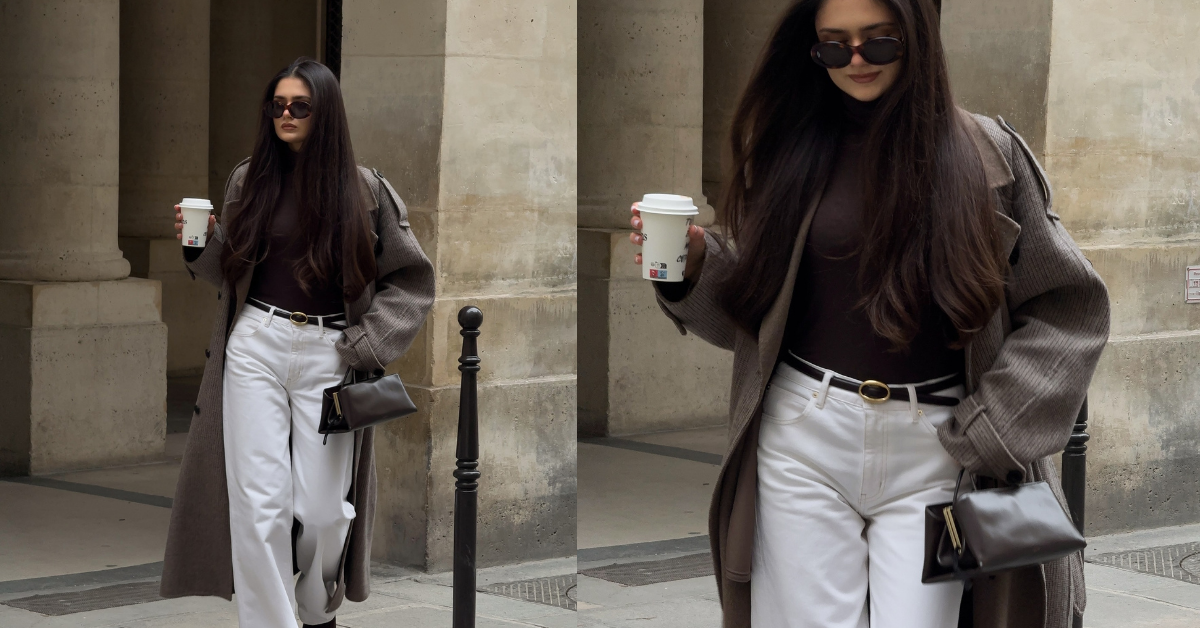
When you are in a rush, you want this piece to have structure. A flimsy, thin cardigan is not going to do it. You need something with a little bit of weight to it. My absolute favorite third piece is an oversized blazer. You can take a literal sweatpants-and-t-shirt base, throw a sharp, tailored blazer over it, and suddenly you look like a busy creative director heading to a photoshoot. It is wild how well it works.
If blazers feel too stiff for your personal style, try a heavy, chunky knit sweater, a vintage denim jacket, or a really cool leather bomber. The key is contrast. If your base layer is tight and fitted, make your third piece loose and oversized. If your base is flowy and relaxed, pick a third piece that is cropped and tailored. It shows that you understand proportions. I have this amazing tan suede jacket with a little bit of western fringe on the back that I wear constantly. I throw it over my all-black base, and it instantly makes the outfit look like it took me an hour to plan.
—
Piece 3: The Practical Statement Shoe
Step three is footwear. We have to be really honest with ourselves here. We are busy women. We are walking to the train, we are running up stairs, we are standing in line for coffee. We do not have the time or the patience for shoes that hurt.
The formula requires a shoe that is incredibly comfortable but still has a strong visual impact. You want to avoid those super basic, flimsy ballet flats that have zero support. Instead, go for something with a little bit of chunkiness to it. A thick-soled leather loafer is perfect for the office. A classic, clean white sneaker is amazing for casual days. A sturdy leather ankle boot with a low block heel works for literally everything.
I actually learned this lesson the hard way a few years ago. I bought these gorgeous, strappy little sandals for summer. They looked amazing, but they had absolutely no padding. I wore them on a busy Tuesday where I had to run errands all over town. By 2 PM, I literally had to go into a pharmacy, buy a box of band-aids, and tape up my heels on a public bench. It was so embarrassing. Now, I only invest in “workhorse” shoes. When your shoes look deliberate and slightly bold, it grounds the whole outfit and makes you look super confident.
—
Piece 4: The Signature Accessory
Now we are getting into the fun stuff. The first three pieces are all about structure and color. Piece number four is all about you. This is where you inject your actual personality into the formula so you don’t just look like a mannequin in a store window.
You need one signature accessory. It shouldn’t be too complicated. It could be a really great vintage belt with a cool silver buckle that cinches your blazer. It could be a brightly colored silk scarf tied around your neck. For me, it is always jewelry. Being Native American, jewelry is a huge part of how I express my culture and my family history in my everyday life. I have this incredible, heavy silver and turquoise cuff bracelet that my Auntie gave me for my 21st birthday.
She told me once, “A good piece of silver carries your spirit. It speaks for you before you even open your mouth.” And she was so right! When I am wearing my boring black base and my simple blazer, adding that one piece of handmade turquoise jewelry completely transforms the vibe. It makes the outfit mine. It adds a soul to the clothes. Find that one thing that makes you feel really special, whether it’s a pair of gold hoop earrings or a cool vintage watch, and make it your daily signature.
—
Piece 5: The “Hold Your Life Together” Bag
The final step in the formula is your bag. Please, I am begging you, step away from the flimsy canvas grocery totes. I know they are trendy, and I know they are easy to just grab, but they drag your entire outfit down. They make you look messy.
I used to carry a free canvas tote I got from a bookstore everywhere. One day, I had my laptop, my water bottle, and my planner in it. I was crossing a busy street, and the thin little strap just snapped. Everything spilled out onto the pavement. My water bottle rolled under a parked car, and my papers were blowing in the wind. I was literally on my hands and knees in the crosswalk trying to gather my life together while the walk signal was counting down. Never again!
Your fifth piece needs to be a structured bag. It doesn’t have to be a crazy expensive designer bag, it just needs to hold its shape when you set it down on a table. A thick leather crossbody, a sleek nylon shoulder bag, or a structured tote bag will make your whole outfit look expensive and polished. Pick a bag in a neutral color that contrasts slightly with your base layer. If you are wearing an all-black base, a rich caramel brown leather bag looks absolutely stunning. It is the final period at the end of the sentence. It completes the look.
—
How to Actually Use This Formula Tomorrow
Okay, so now you know the five pieces: The Monochromatic Base, The Structured Third Piece, The Practical Statement Shoe, The Signature Accessory, and The Structured Bag. But how do you actually apply this when your alarm goes off and you are half asleep?
The trick is closet organization. You have to set yourself up for success. Spend twenty minutes this weekend reorganizing your closet. Put all your “base” layer tops and pants together by color. Hang all your blazers and jackets in their own section. Have a specific little tray on your dresser for your signature jewelry so you don’t have to go digging through tangled necklaces.
When you wake up, you don’t have to think about outfits anymore. You just follow the steps. Step one: grab a matching top and bottom. Step two: grab a jacket. Step three: slide on your loafers. Step four: put on your hoops. Step five: grab your leather bag. You are done. You look incredible, you look fashionable, and it literally took you four minutes. It gives you so much mental space back in the morning to just sit, drink your coffee, and actually enjoy the start of your day instead of crying into a pile of wrinkled shirts on your bed.
Just a little note - some of the links on here may be affiliate links, which means I might earn a small commission if you decide to shop through them (at no extra cost to you!). I only post content which I'm truly enthusiastic about and would suggest to others.
And as you know, I seriously love seeing your takes on the looks and ideas on here - that means the world to me! If you recreate something, please share it here in the comments or feel free to send me a pic. I'm always excited to meet y'all! ✨🤍
Xoxo Lara